Author Archives: pkerycom

Student Work: Graphic Design Education

Publication Design

Publi­cation design remains an important foundation of contem­porary graphic design because it teaches designers how to organize infor­mation, construct visual hierarchy, and guide a reader through content across space and time. While technologies and delivery methods of content continue to evolve, the funda­mental principles learned through publi­cation design, i.e. typog­raphy, sequencing, pacing, compo­sition, rhythm, grid […]

Work: Writings

Do Not Design

In my under­graduate graphic design classes, I often ask students not to design. It is a strange and unexpected request in a design classroom, and it immedi­ately unsettles some of them. After all, students typically enter a graphic design course with a familiar set of expec­ta­tions: combine personal experience, visual refer­ences, technical skills, and imagination […]

Student Work: Graphic Design Education

Typography and Breaking Expectations

Shannen Sun, University of the District of Columbia, Spring 2025, expressive type spread image

Shannen Sun, University of the District of Columbia, Spring 2025

Mya Cotrell, University of the District of Columbia, Spring 2025, expressive type spread image

Mya Cotrell, University of the District of Columbia, Spring 2025

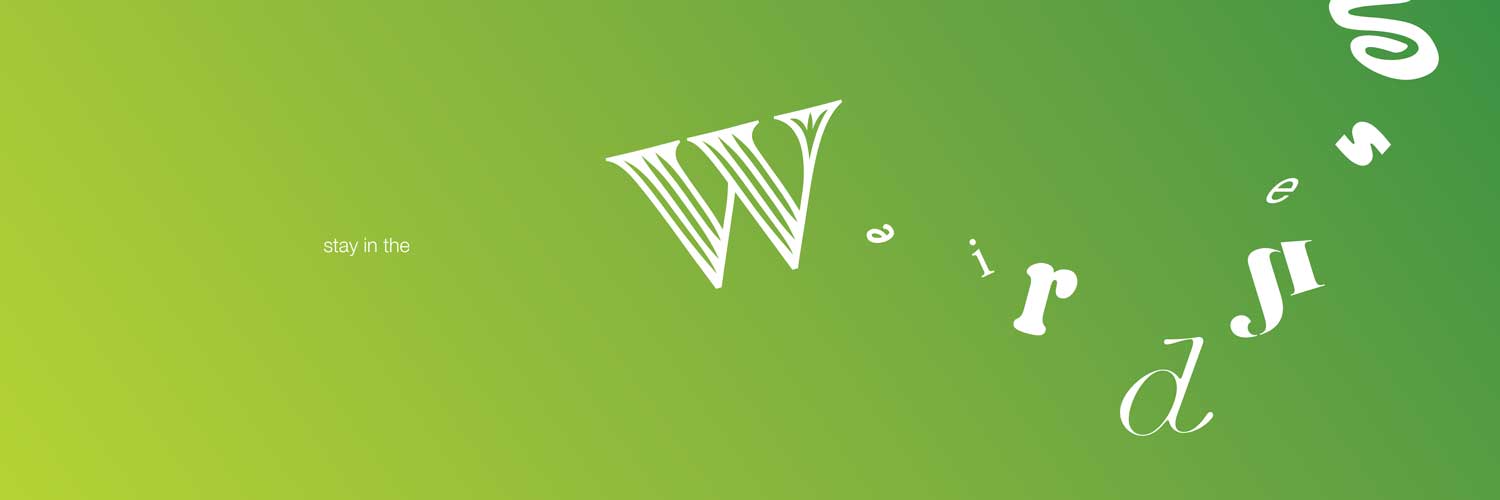
Students at the University of the District of Columbia were asked to compose poems, lyrics, or self-authored passages using typog­raphy and minimal imagery. The objective of the assignment was to encourage students to think about typog­raphy beyond words merely occupying a fixed or leftover space on a page. Typog­raphy moves through time. It carries emotional […]

Work: Print and Publications | Research

Mask Poster

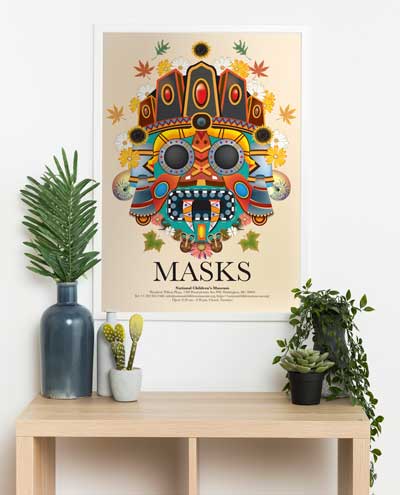
This independent piece was created while intro­ducing the drawing capabil­ities of Adobe Illus­trator to a Graphic Design class at the University of the District of Columbia. Students were assigned the task of designing a mask poster using entirely original artwork while maintaining a fully vector-based final compo­sition. All visual elements were required to be created […]

Student Work: Graphic Design Education

Into a Cohesive Whole

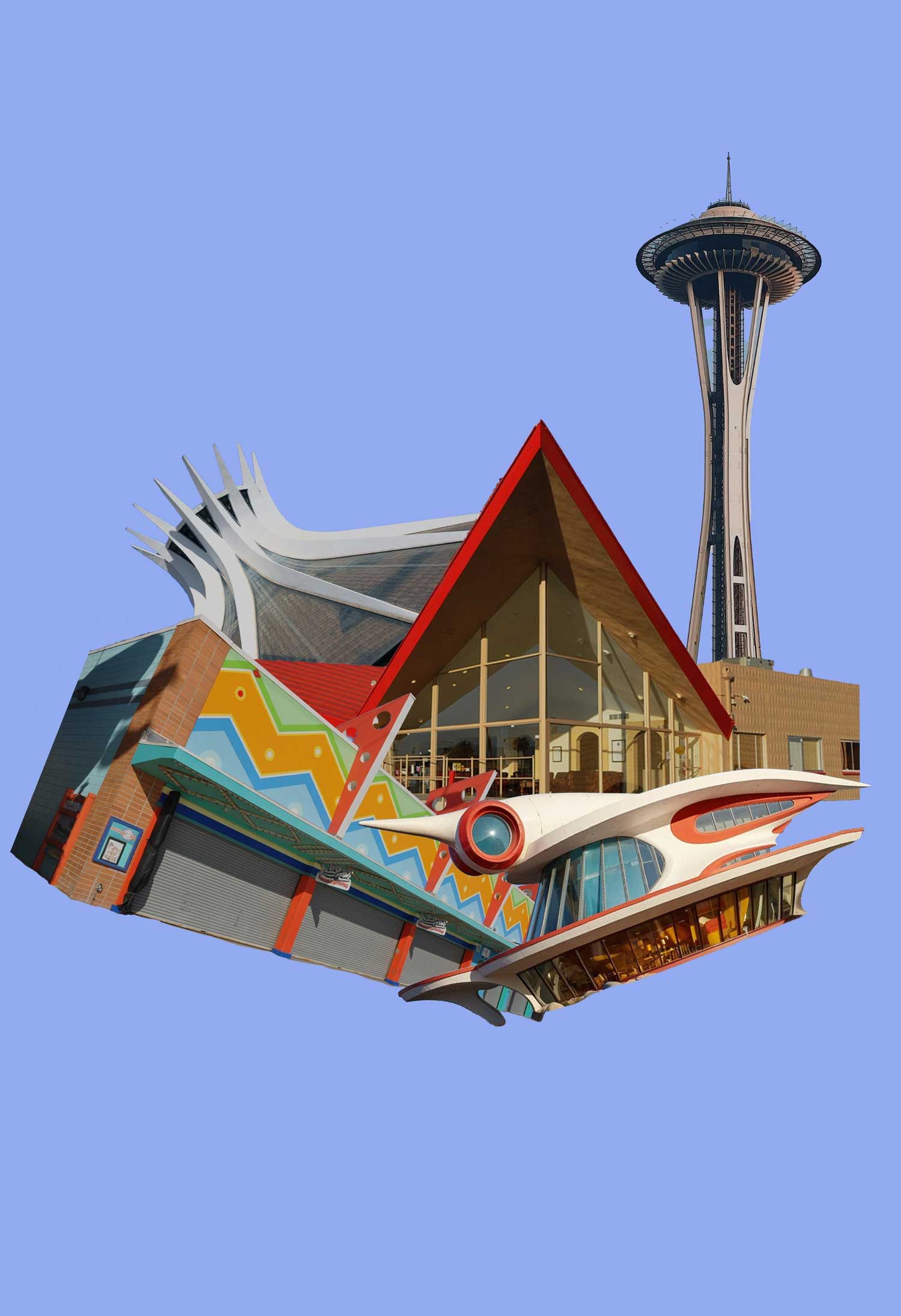
University of the District of Columbia (UDC) montage image

University of the District of Columbia (UDC), Fall 2025

Students from the Graphic Design program at the University of the District of Columbia explored a series of projects centered on image-making and photo­graphic montage. The primary objective of these assign­ments was to combine multiple photo­graphic images into a single, cohesive visual compo­sition. The archi­tec­tural studies encouraged students to closely observe form, structure, and shape, […]

Work: Print and Publications

Default Settings — Photography Exhibit Poster

This poster was created to promote the Default Settings photog­raphy exhibition hosted by the College of Arts and Sciences at the University of the District of Columbia. The design’s goal was to capture the reflective and personal tone of the exhibit while presenting a unified visual system for insti­tu­tional use. The central silhou­etted artwork was […]

Work: Writings

Dear Mom and Dad, Your Kid wants to be a Graphic Designer

Dear Mom graphic design featured image

Peter Kery, Assistant Professor

That depends a good deal on where you want to get to,” said the Cat. “I don’t much care where-” said Alice. “Then it doesn’t matter which way you go,” said the Cat.             – Lewis Carroll, Alice’s Adven­tures in Wonderland   “Will my kid get a job?” In all my years in higher education, this is […]

Work: Informational Graphics | Motion

Jupiter’s Moons

This animated short presents infor­mation off the NASA website about the four major moons of Jupiter. Those moons are Io, Europa, Ganymede, and Callisto. This 4‑minute video repre­sents a short demon­stration of the more explicit infor­mation found on the NASA website. Jupiter has 95 moons (and counting) that orbit itself. There are many more objects […]

Work: Informational Graphics | Motion

To Walk Around Jupiter

This animated visual gives a sense of the vast difference in sizes between our planets in the solar system. Every one of the eight planets is intro­duced and shown how long a commercial airline flight could circle each of their equators. The length of time is also given if one could walk around each planet […]