Students at the University of the District of Columbia were asked to compose poems, lyrics, or self-authored passages using typography and minimal imagery. The objective of the assignment was to encourage students to think about typography beyond words merely occupying a fixed or leftover space on a page. Typography moves through time. It carries emotional weight and establishes relationships that can feel stable, unstable, quiet, aggressive, intimate, or fragmented. Students were encouraged to explore typography through space, rhythm, scale, negative space, relationships, and probability. Can typography possess energy?
The class was asked to reflect on the relationship between typography and the emotional qualities embedded within their chosen text. From there, students expanded their thinking outward, to audience, history, context, memory, and culture. Typography was approached not as an isolated object, but as something interconnected with broader human experience and communication.
As an instructor, I encourage students not to search for a single grand revelation, but instead to pay attention to smaller perceptual moments and subtle decisions. Pragmatic concerns become intertwined with creative exploration. What does kerning communicate about a word or sentence? Does the weight of typography, its font, size, or style, alter meaning? What happens when type is cropped rather than fully revealed? Is there only one black? Only one white? How is a word first recognized: through its literal letters, or through its overall form?
As the assignment develops, students are encouraged to slow down, reflect, and think critically before placing typography onto the page. Hand-drawn imagery is welcomed and discussed as a way of informing observation and visual sensitivity. Historical references and contextual relationships are also considered throughout the process. Critiques function as guidance rather than judgment, fostering discussion about process, experimentation, and intention. Self-imposed limitations are examined as products of both technology and imagination. Ultimately, students are asked to consider what the text means to them, not only as designers, but as individuals.
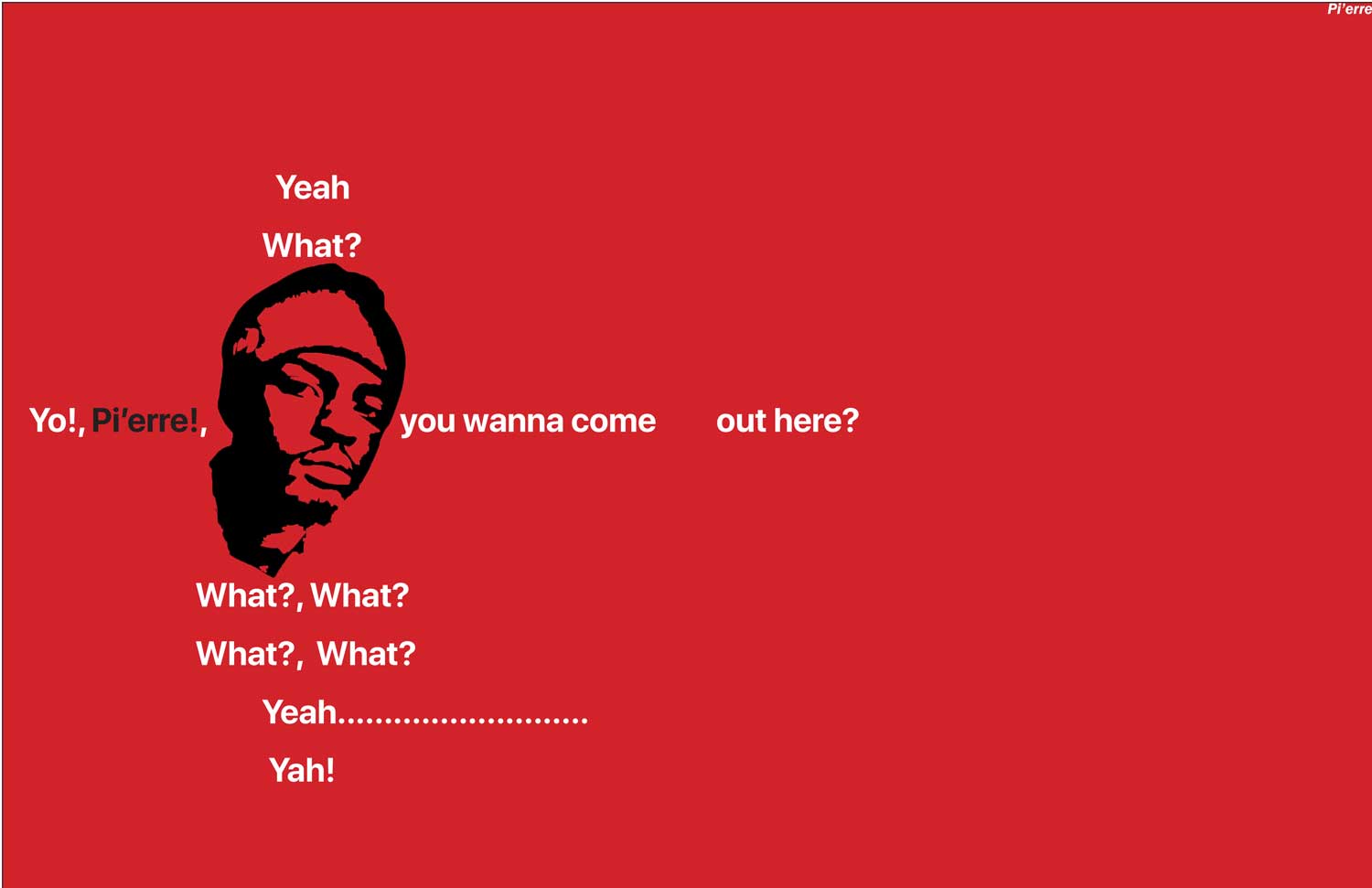
Charles Shepard, University of the District of Columbia, Spring 2025
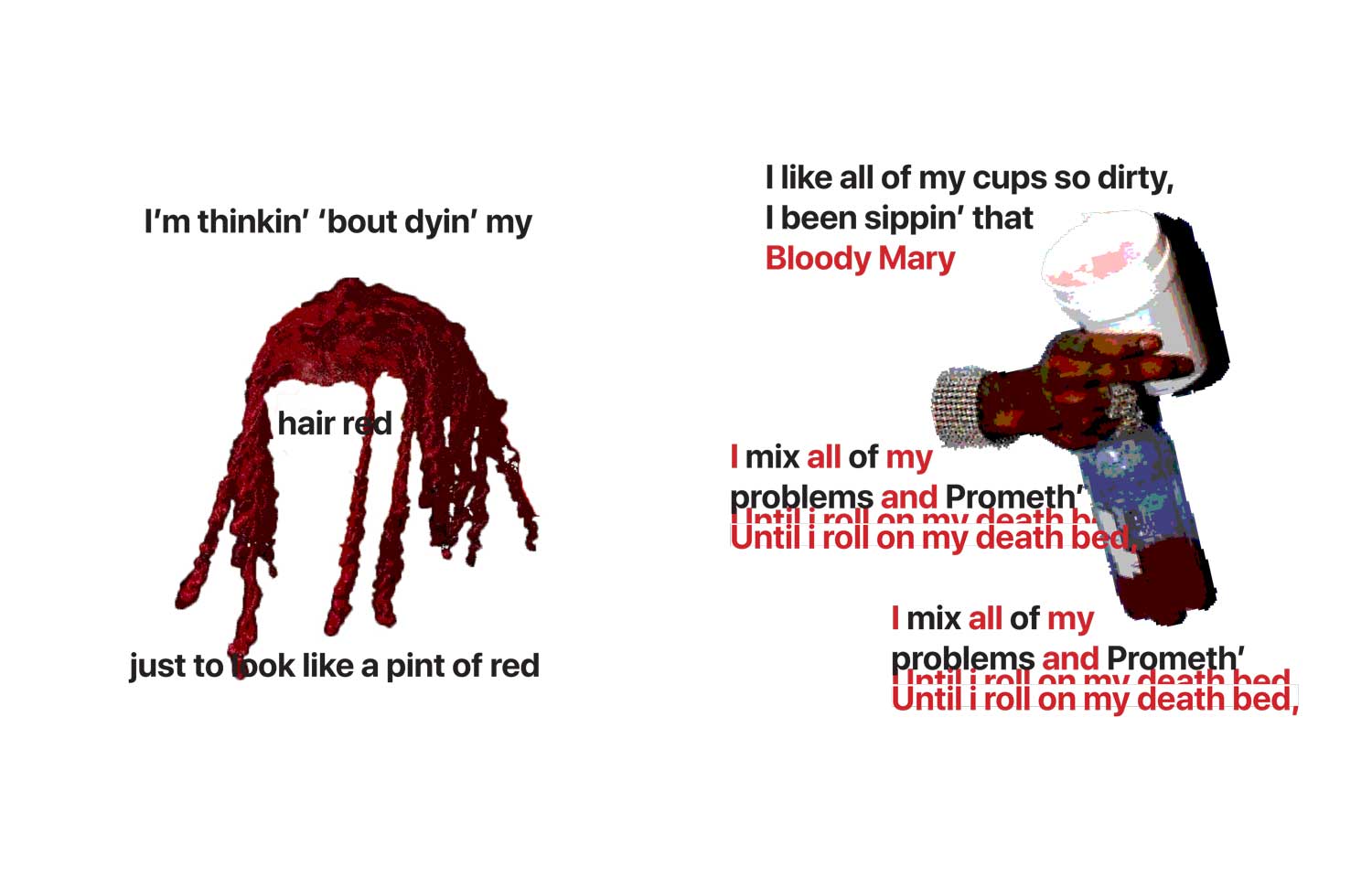
Charles Shepard, University of the District of Columbia, Spring 2025
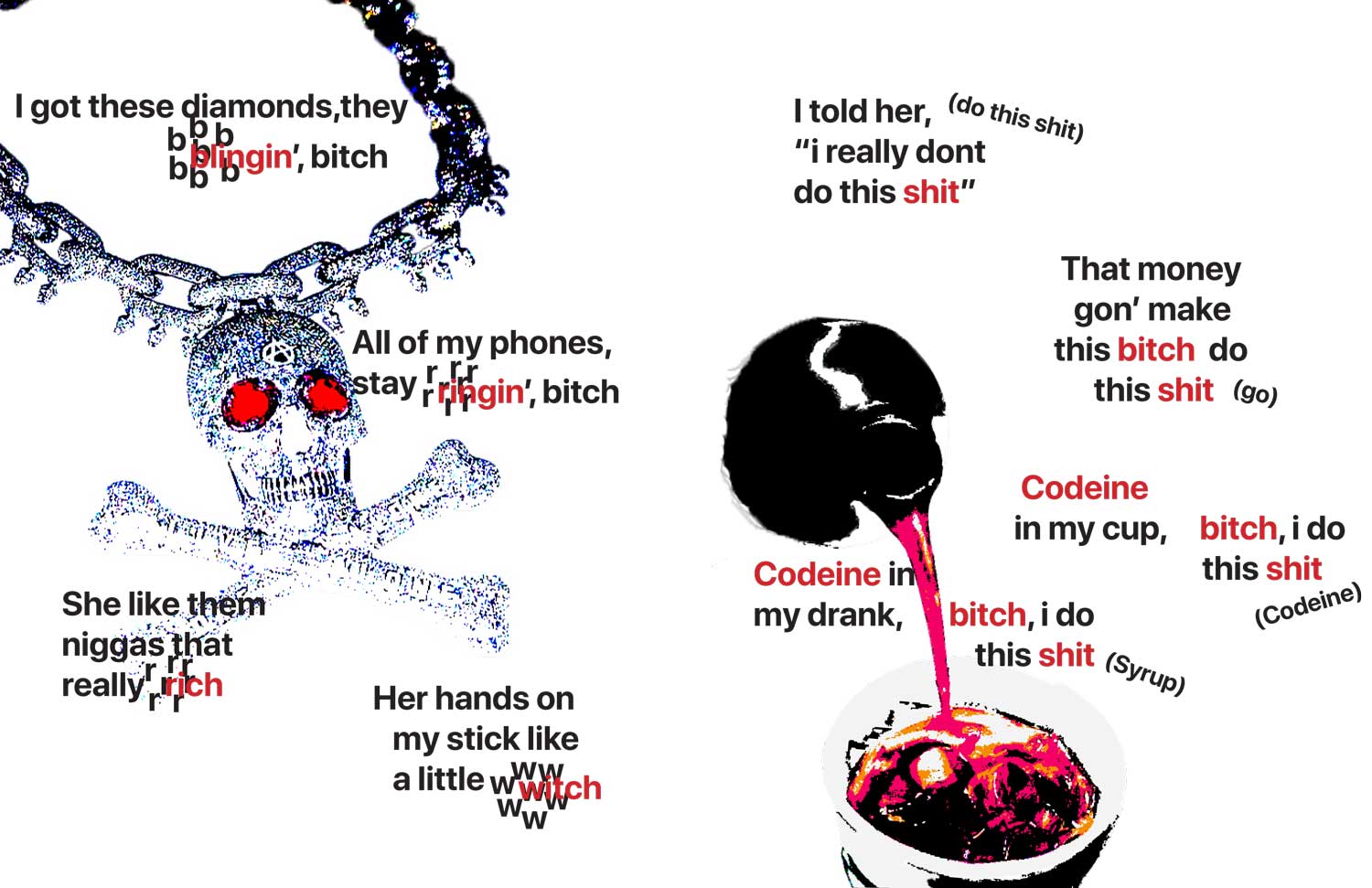
Charles Shepard, University of the District of Columbia, Spring 2025
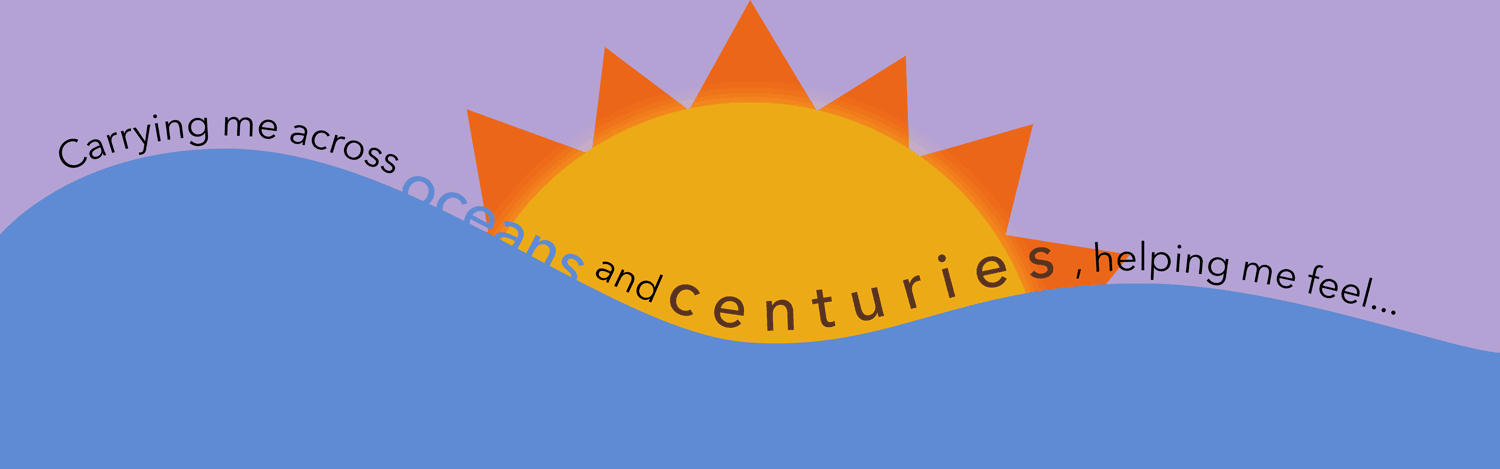
Shannen Sun, University of the District of Columbia, Spring 2025
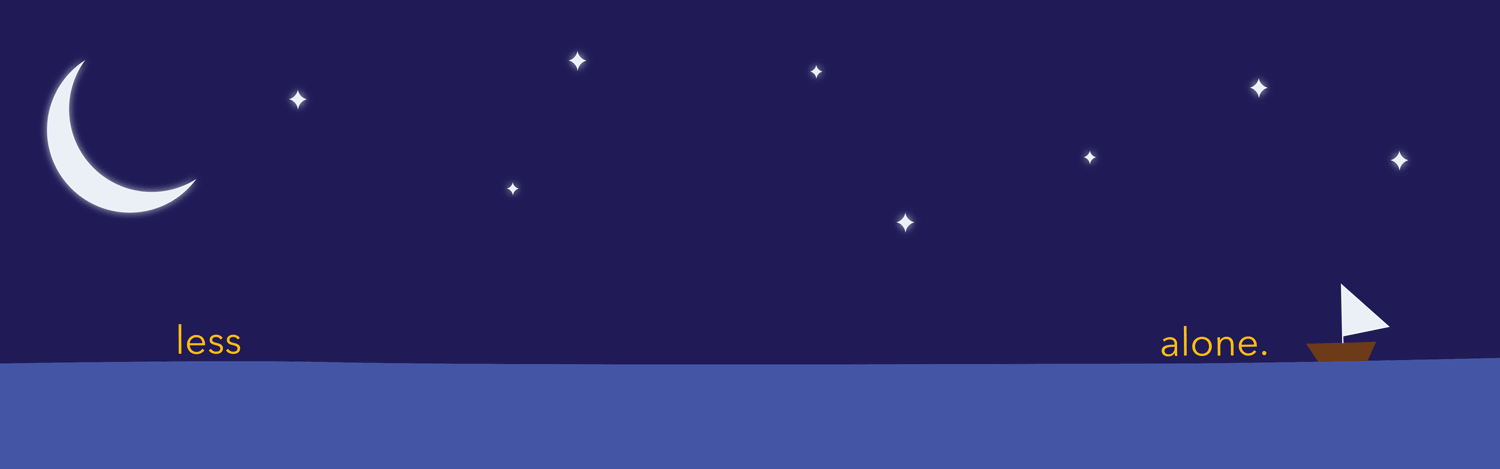
Shannen Sun, University of the District of Columbia, Spring 2025
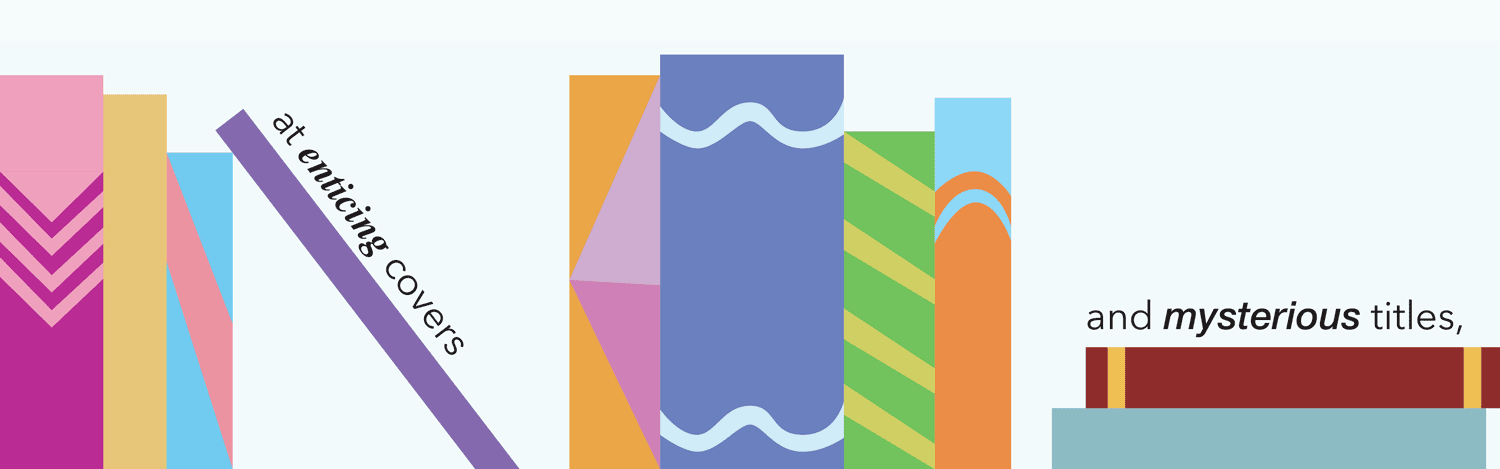
Shannen Sun, University of the District of Columbia, Spring 2025
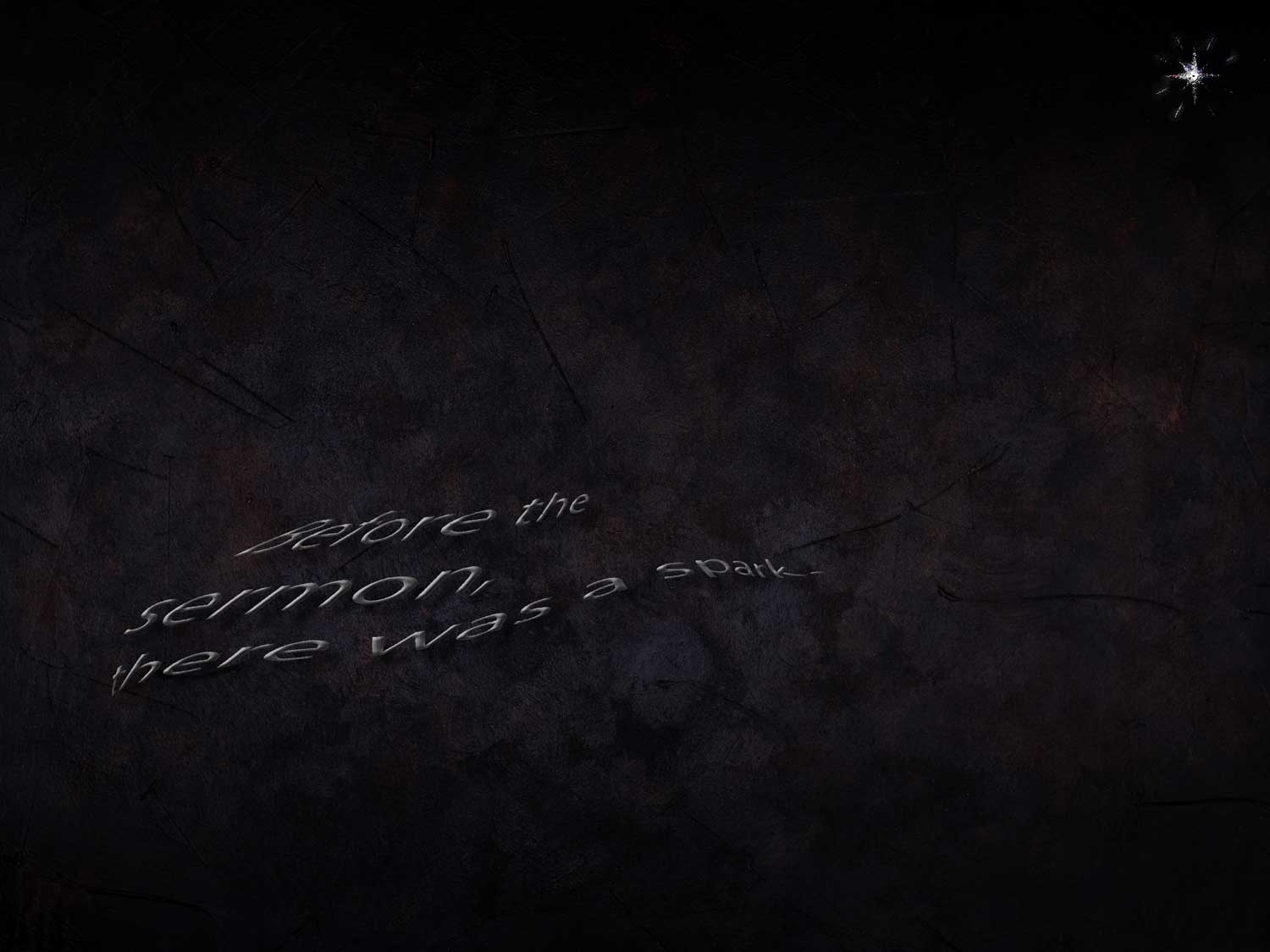
Fasil Bezabh, University of the District of Columbia, Spring 2025
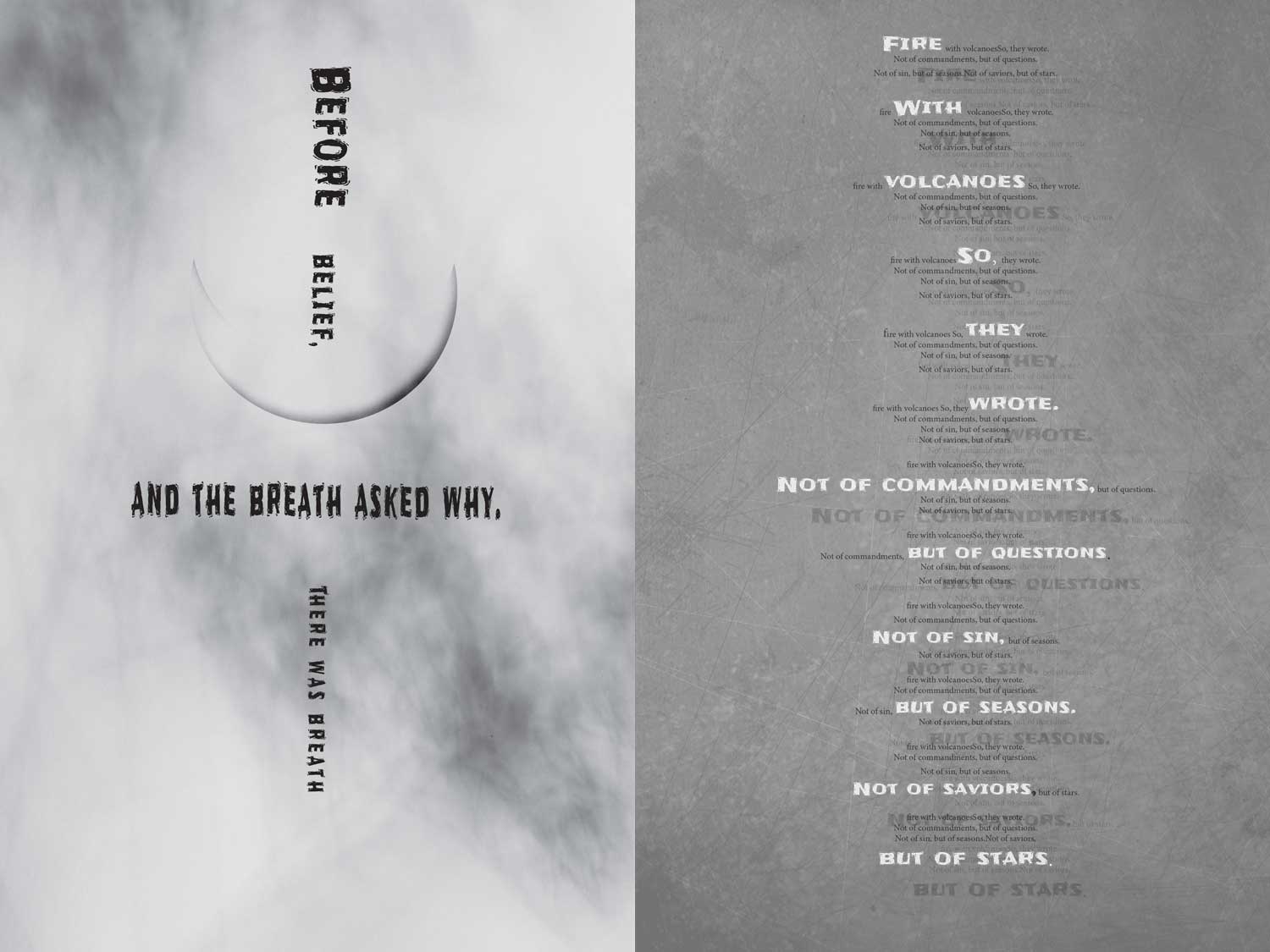
Fasil Bezabh, University of the District of Columbia, Spring 2025
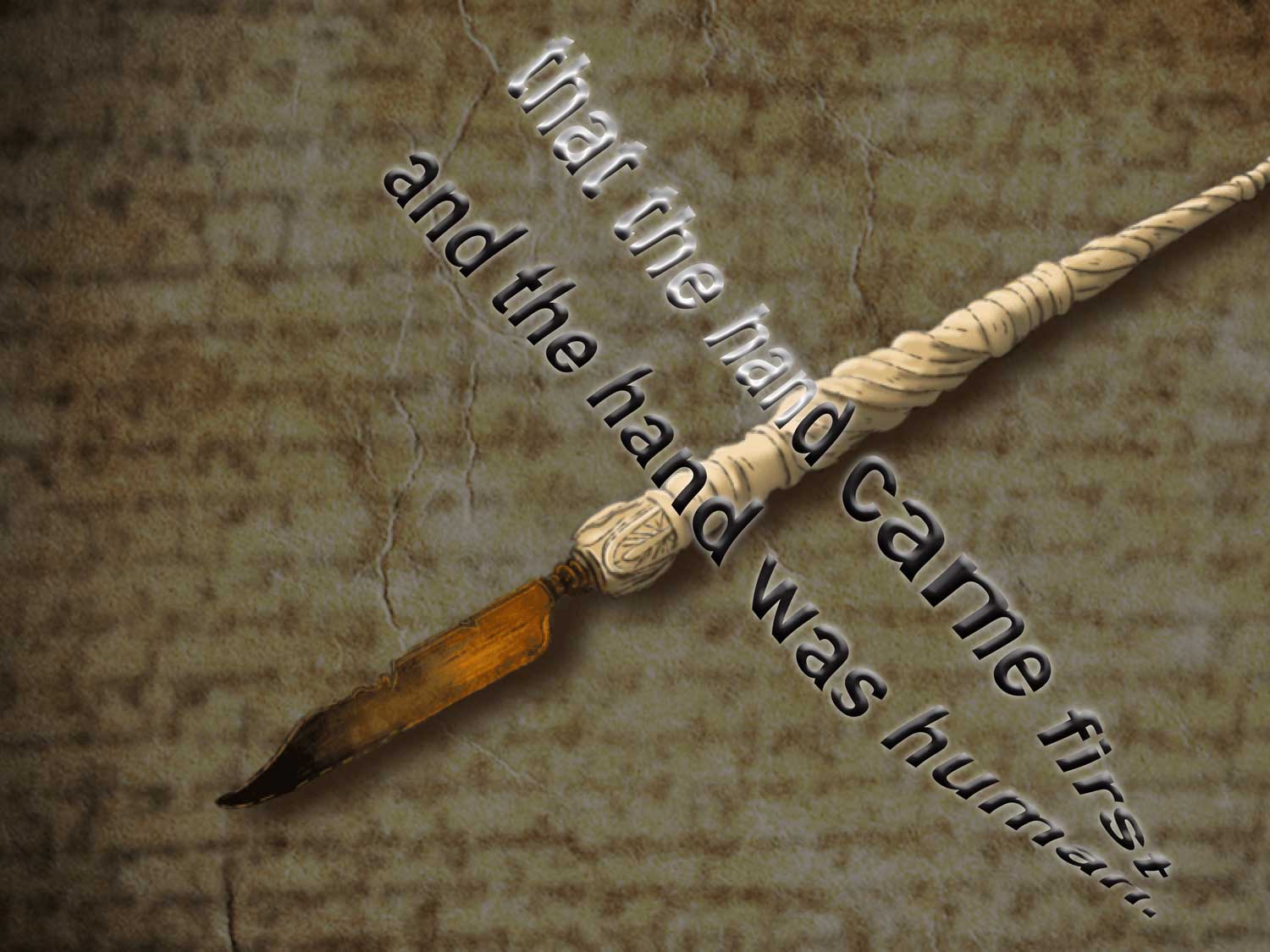
Fasil Bezabh, University of the District of Columbia, Spring 2025
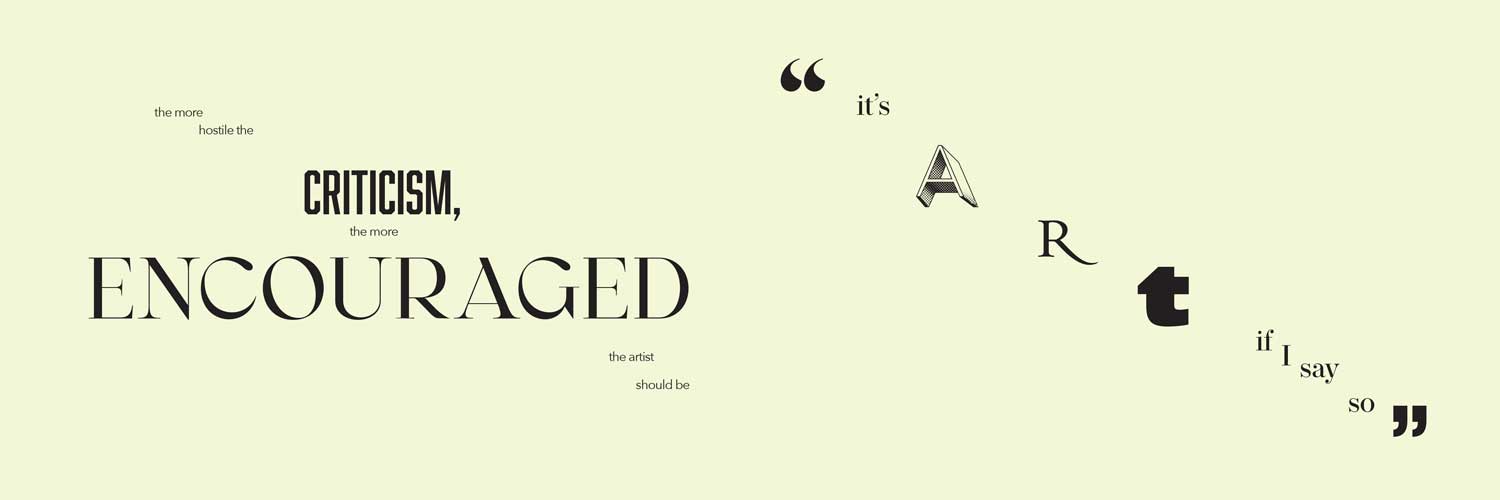
Mya Cotrell, University of the District of Columbia, Spring 2025
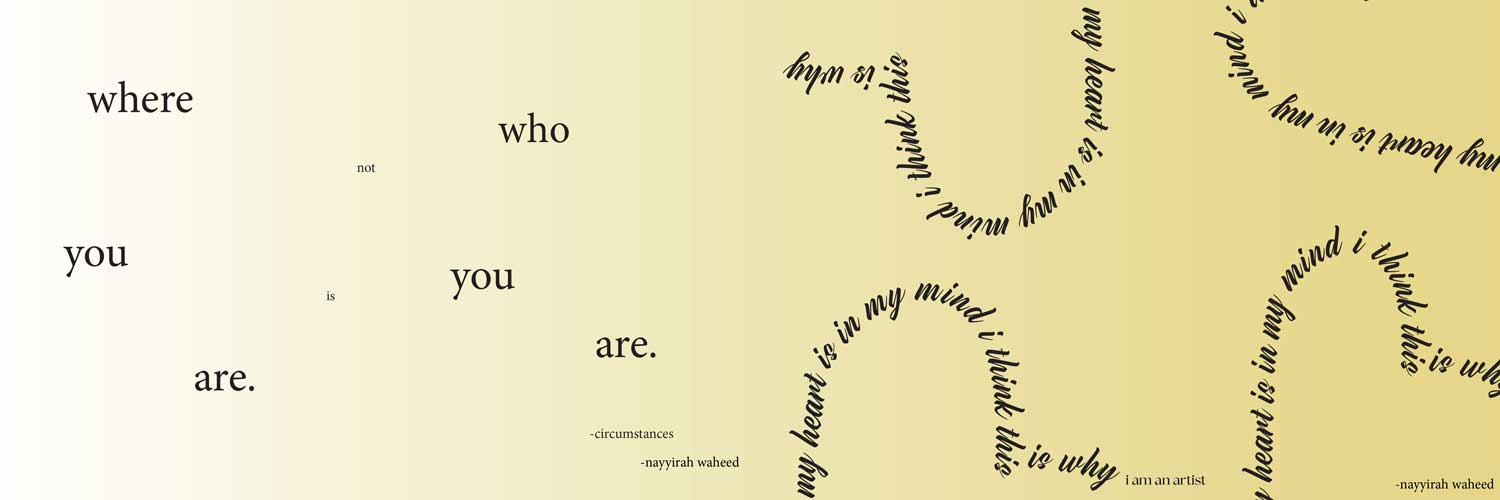
Mya Cotrell, University of the District of Columbia, Spring 2025
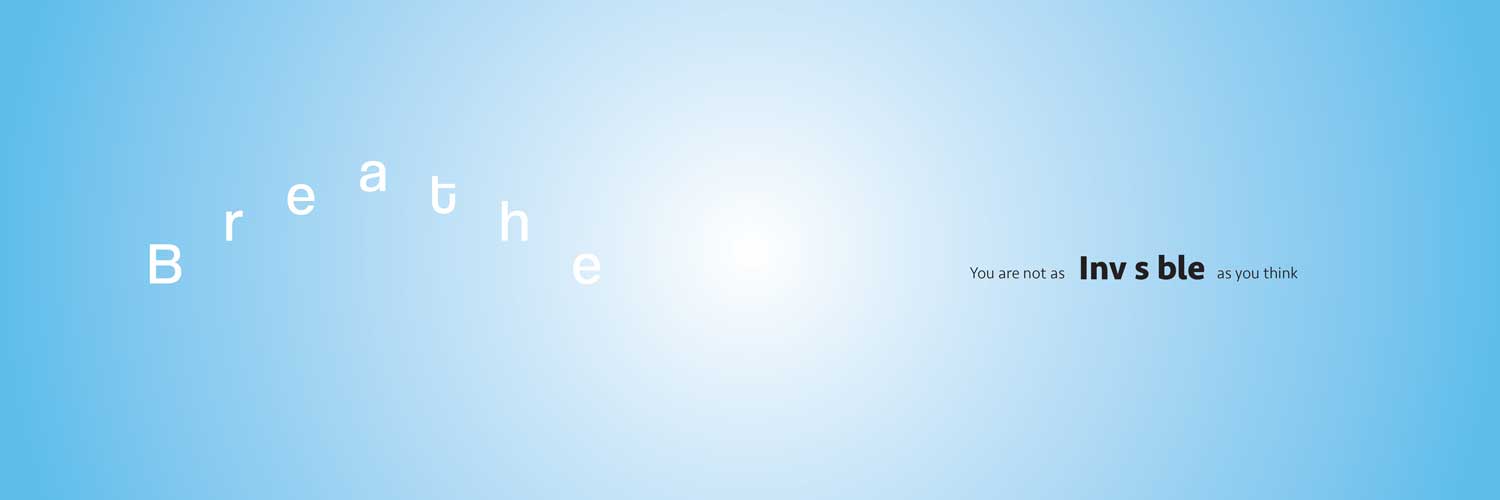
Mya Cotrell, University of the District of Columbia, Spring 2025
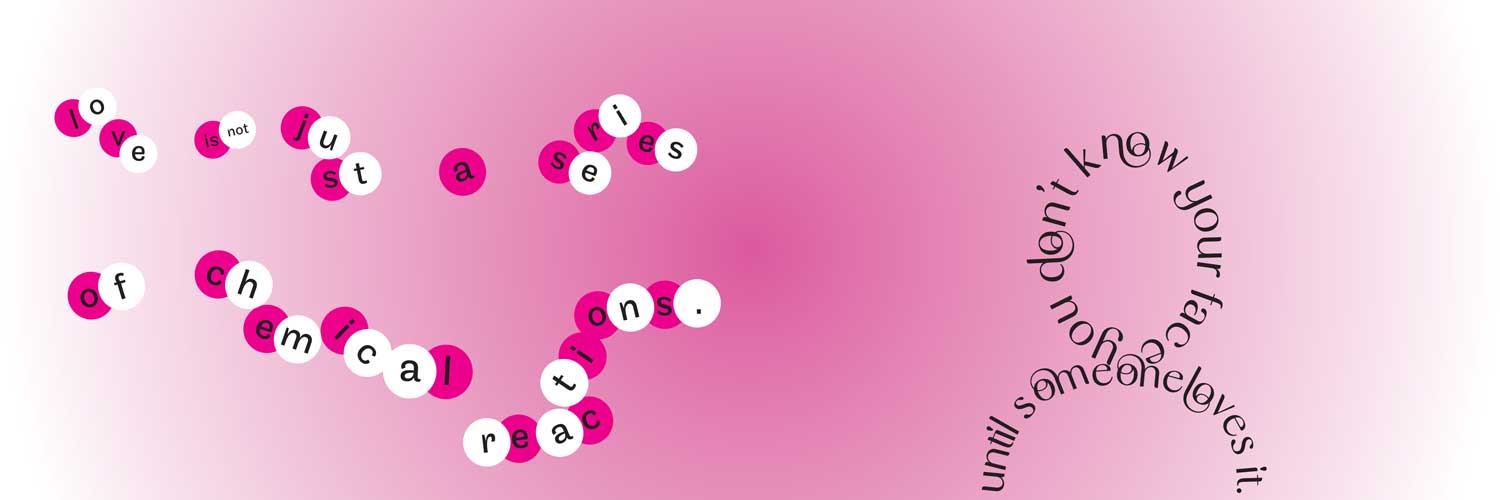
Mya Cotrell, University of the District of Columbia, Spring 2025
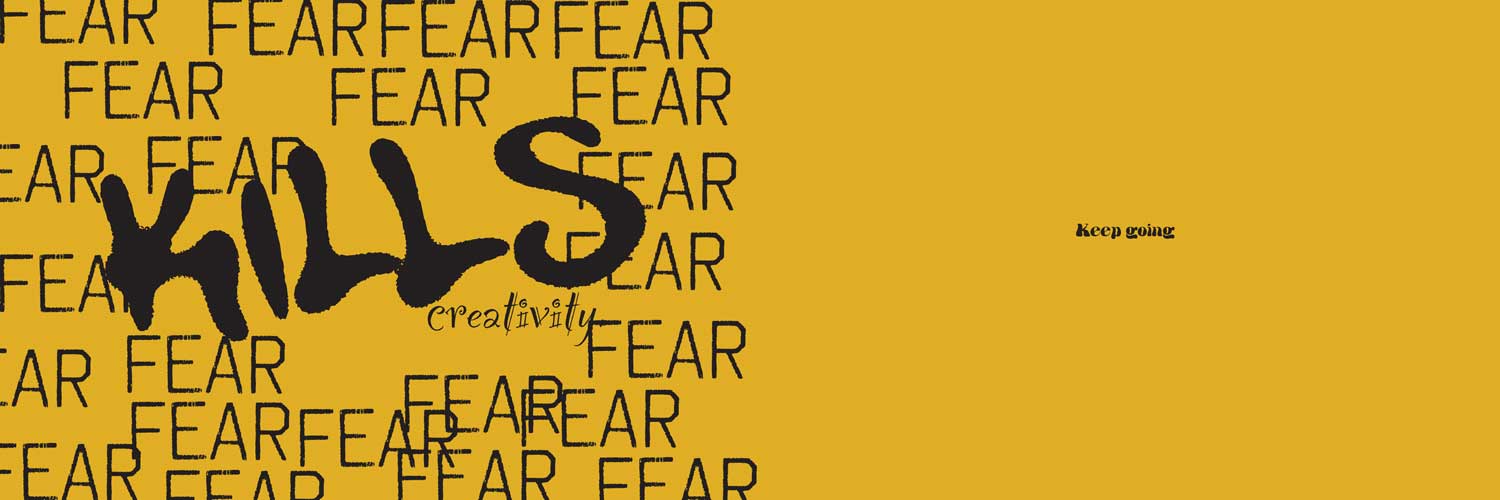
Mya Cotrell, University of the District of Columbia, Spring 2025
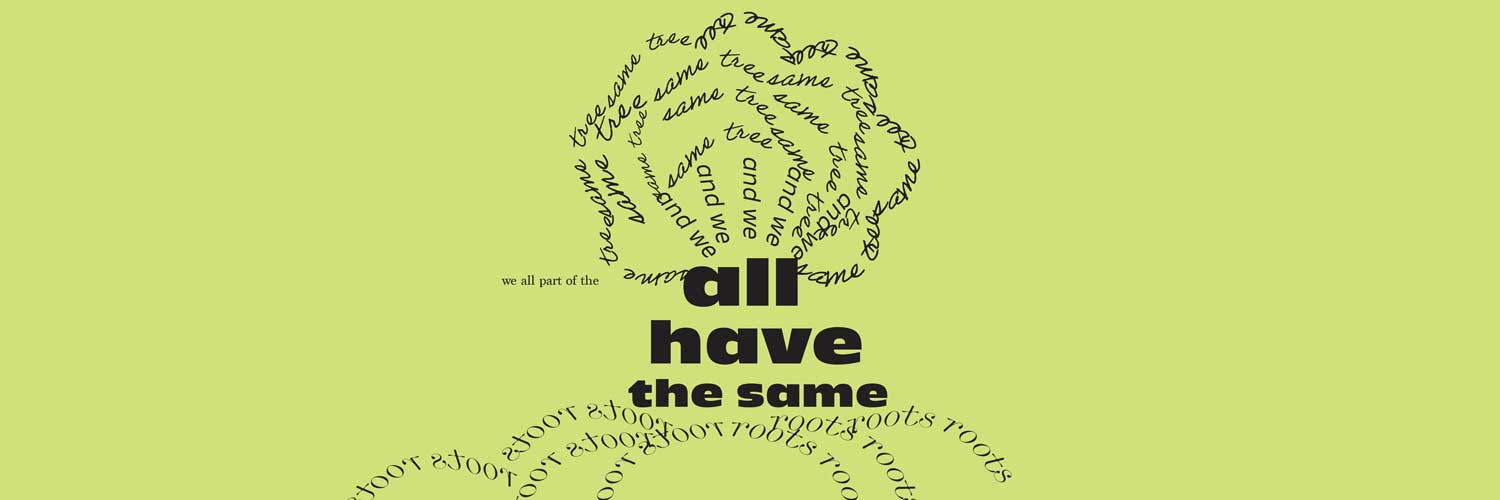
Mya Cotrell, University of the District of Columbia, Spring 2025
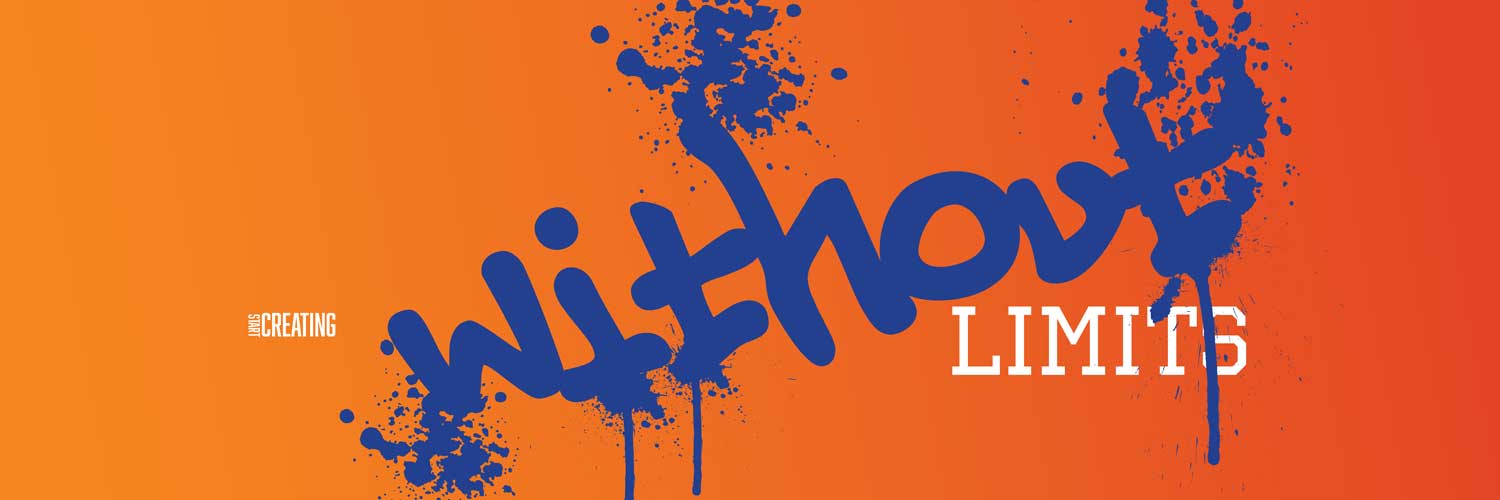
Mya Cotrell, University of the District of Columbia, Spring 2025
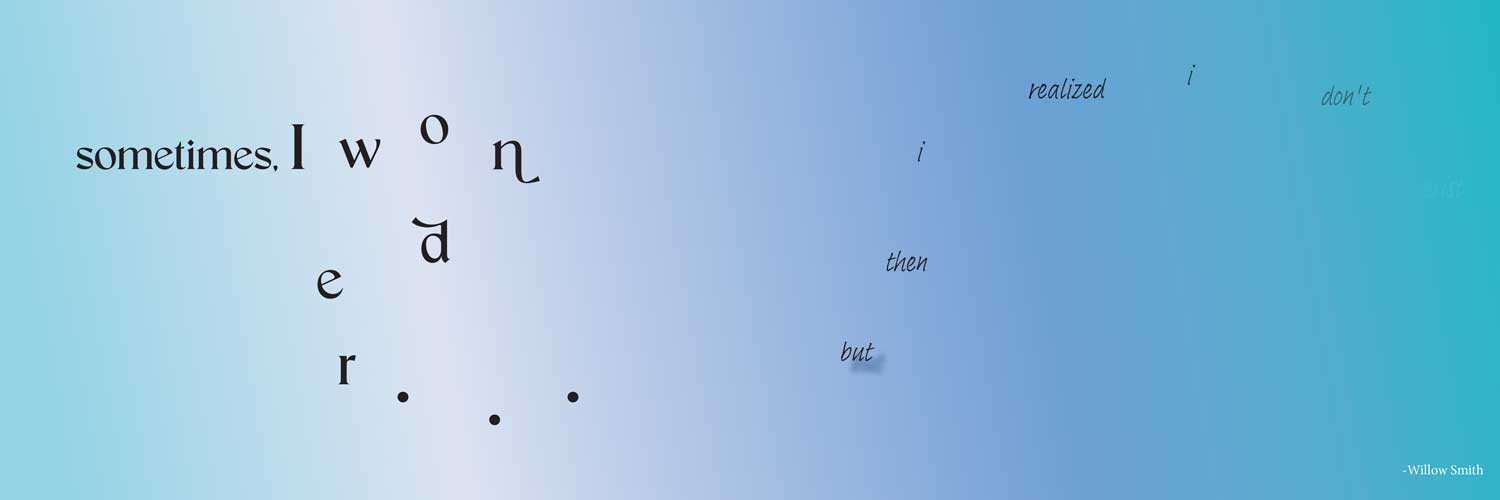
Mya Cotrell, University of the District of Columbia, Spring 2025
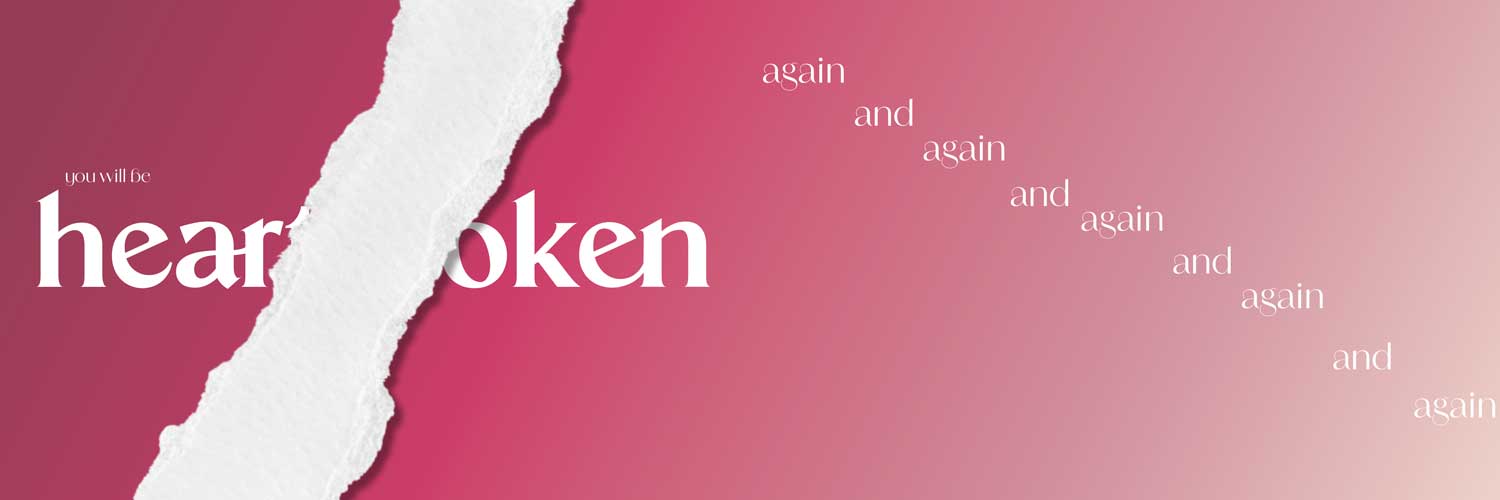
Mya Cotrell, University of the District of Columbia, Spring 2025
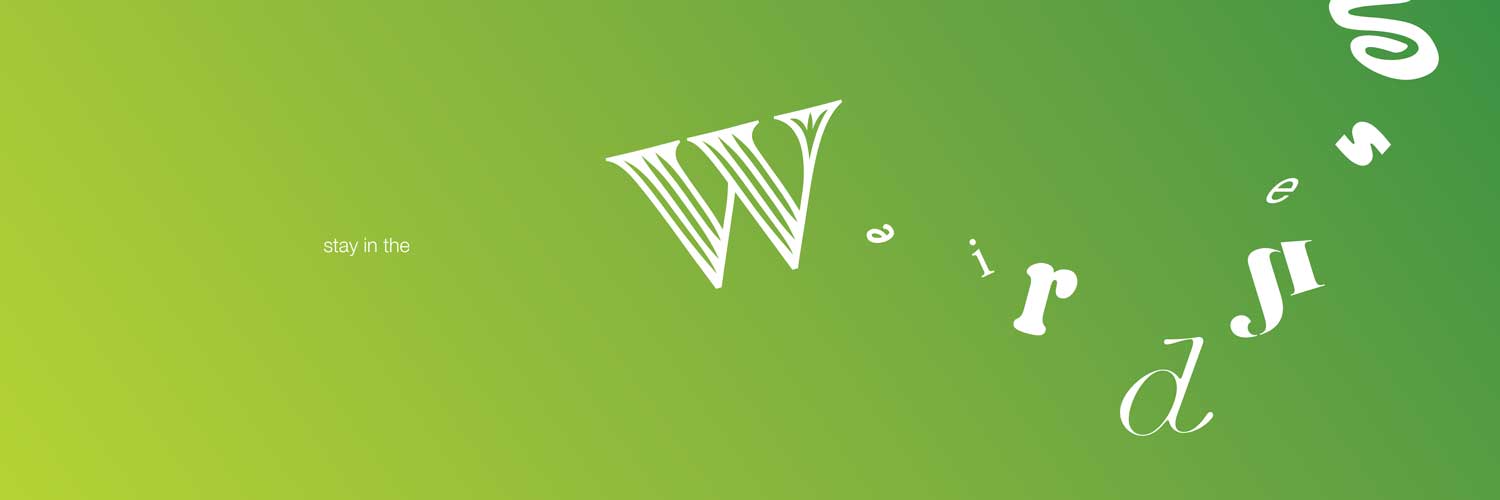
Mya Cotrell, University of the District of Columbia, Spring 2025
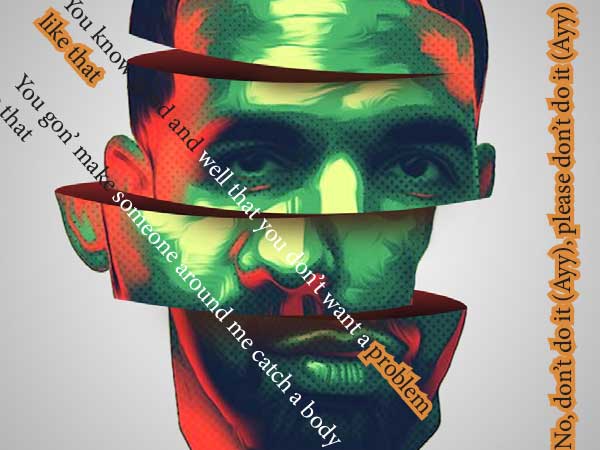
Reagan Namanya, University of the District of Columbia, Spring 2025