Publication design remains an important foundation of contemporary graphic design because it teaches designers how to organize information, construct visual hierarchy, and guide a reader through content across space and time. While technologies and delivery methods of content continue to evolve, the fundamental principles learned through publication design, i.e. typography, sequencing, pacing, composition, rhythm, grid systems (or non-grid systems), hierarchy, and narrative structure, remain central to nearly every area of visual communication. The act of putting a publication together flies in the face of design classes that emphasize the creation of artifacts (websites, brochures, branding manuals, etc.) as its sole objective while deemphasizing process, thought, and evaluation.
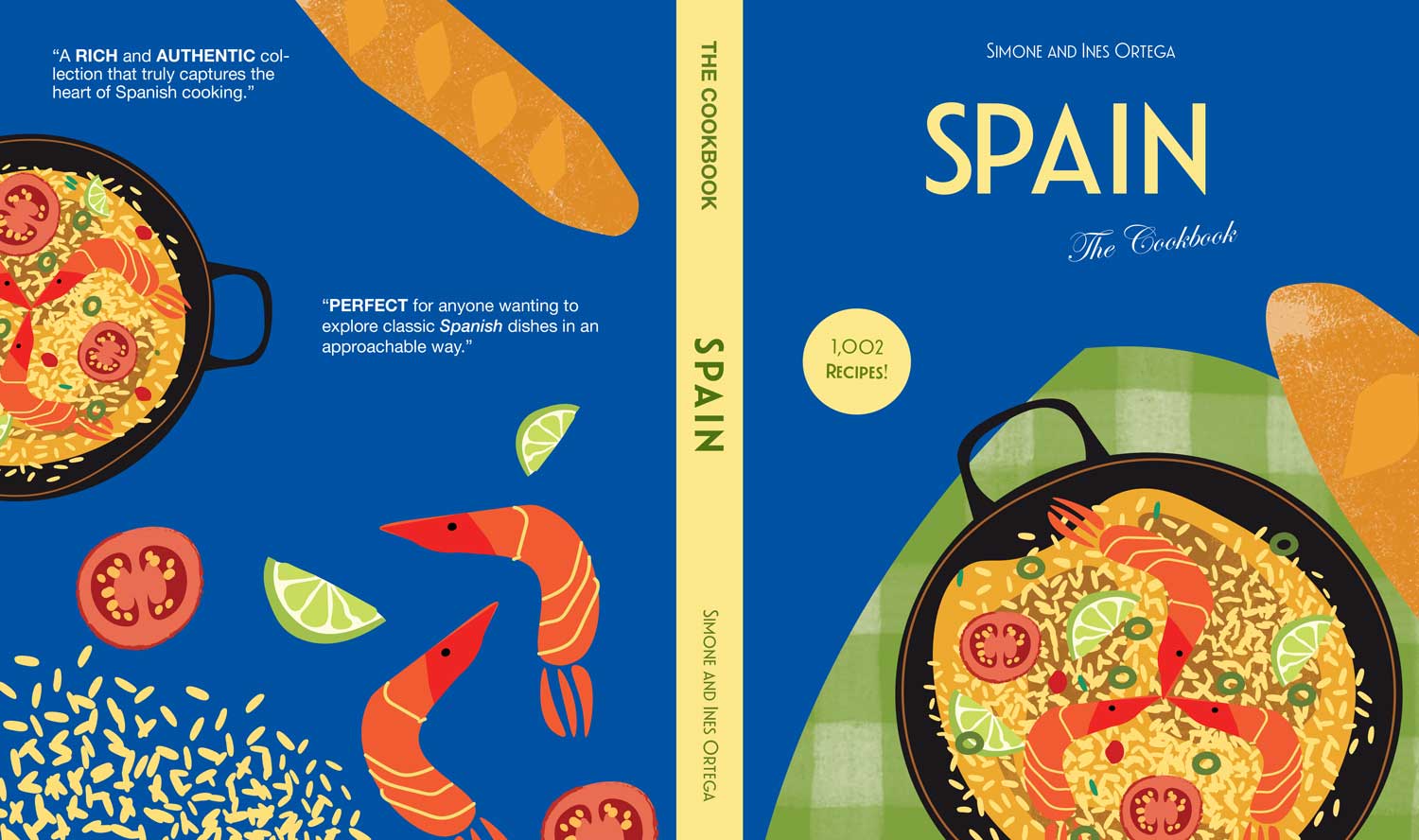
Gyara Reyes Bonilla, George Mason University, Spring 2026, cover design and illustration
At its core, publication design asks designers to think systematically. Unlike an isolated image-making pedogogy, publications require consideration of how multiple pages, spreads, and pieces of content relate to one another as part of a larger visual and conceptual framework. This systems-based thinking directly translates into contemporary digital practice, including web design, UI/UX, branding systems, motion graphics, and interactive media.
Publication design also cultivates sensitivity to typography in a profound way. Designers learn not only how type looks, but how it behaves over extended reading experiences. They begin to understand pacing, readability, emphasis, tone, and the emotional qualities of typographic structure. In many ways, publication design teaches designers how to choreograph information.
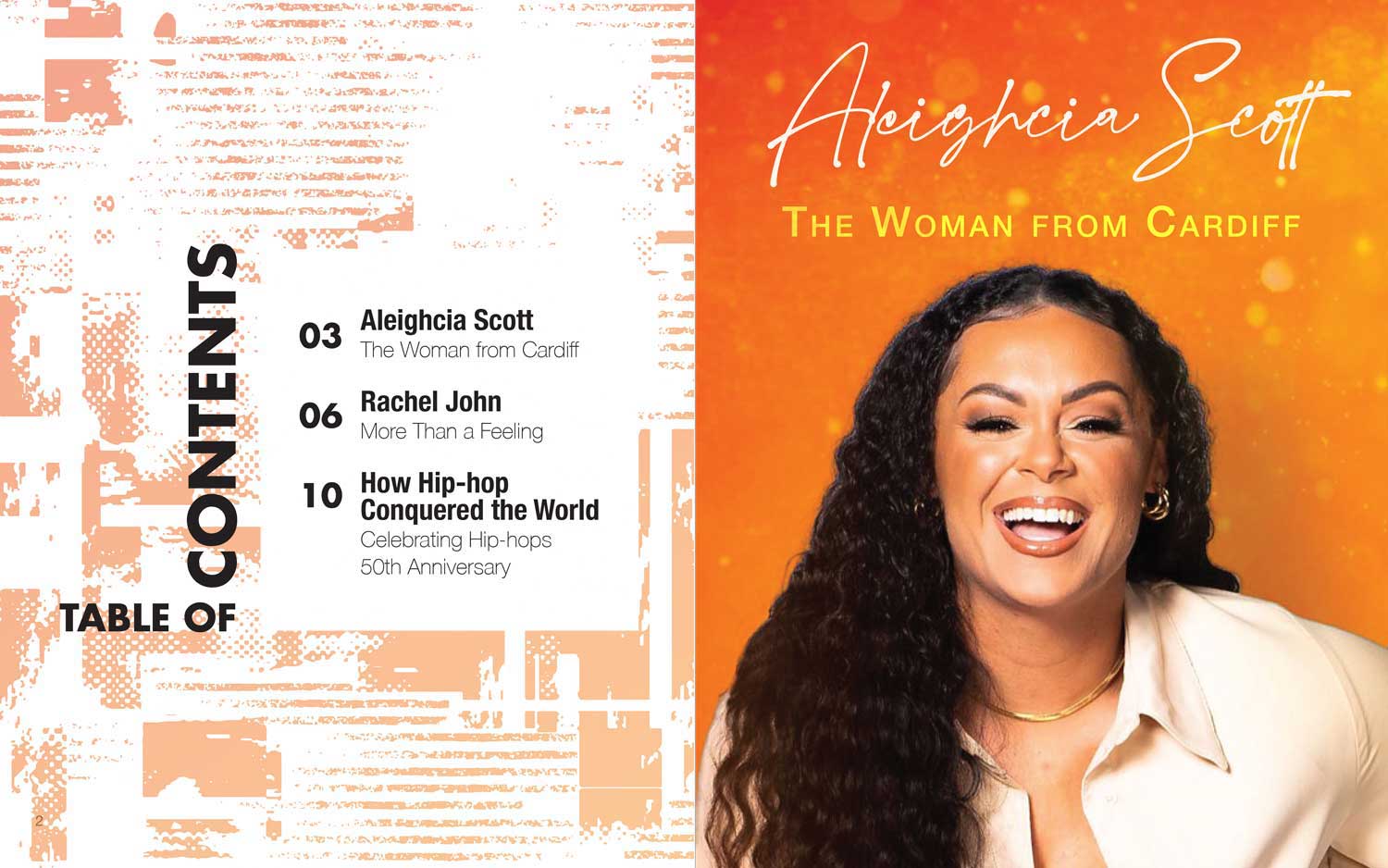
Sophia Laufer, University of the District of Columbia, Spring 2023
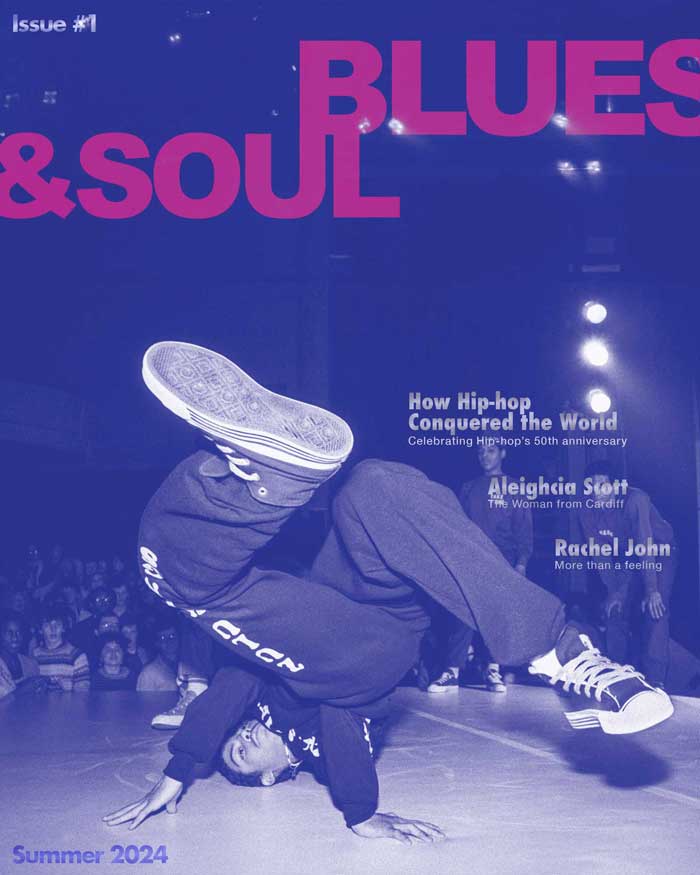
Sophia Laufer, University of the District of Columbia, Spring 2023
Equally important, publication design encourages patience, editing, and sustained conceptual development. It resists the increasingly fragmented and rapid consumption of visual culture by asking designers to think deeply about sequence, continuity, and audience engagement over time. Even within contemporary digital environments dominated by scrolling screens and short attention spans, these principles remain essential.
Historically, publication design also sits at the center of graphic design itself. Much of the discipline’s development emerged through books, newspapers, magazines, manifestos, and typographic experimentation within printed media. Understanding publication design therefore connects students not only to professional practice, but also to the intellectual and cultural history of graphic design.
In contemporary practice, publication design is no longer limited to print. The same principles extend fluidly into digital publications, websites, interfaces, presentations, motion systems, and content ecosystems. The medium may evolve, but the underlying challenge remains the same: how to organize information, establish meaning, and create a coherent visual experience for an audience over time.
The following examples are from the University of the District of Columbia and George Mason University. They are cover designs and typographic systems for a magazine or cookbook.
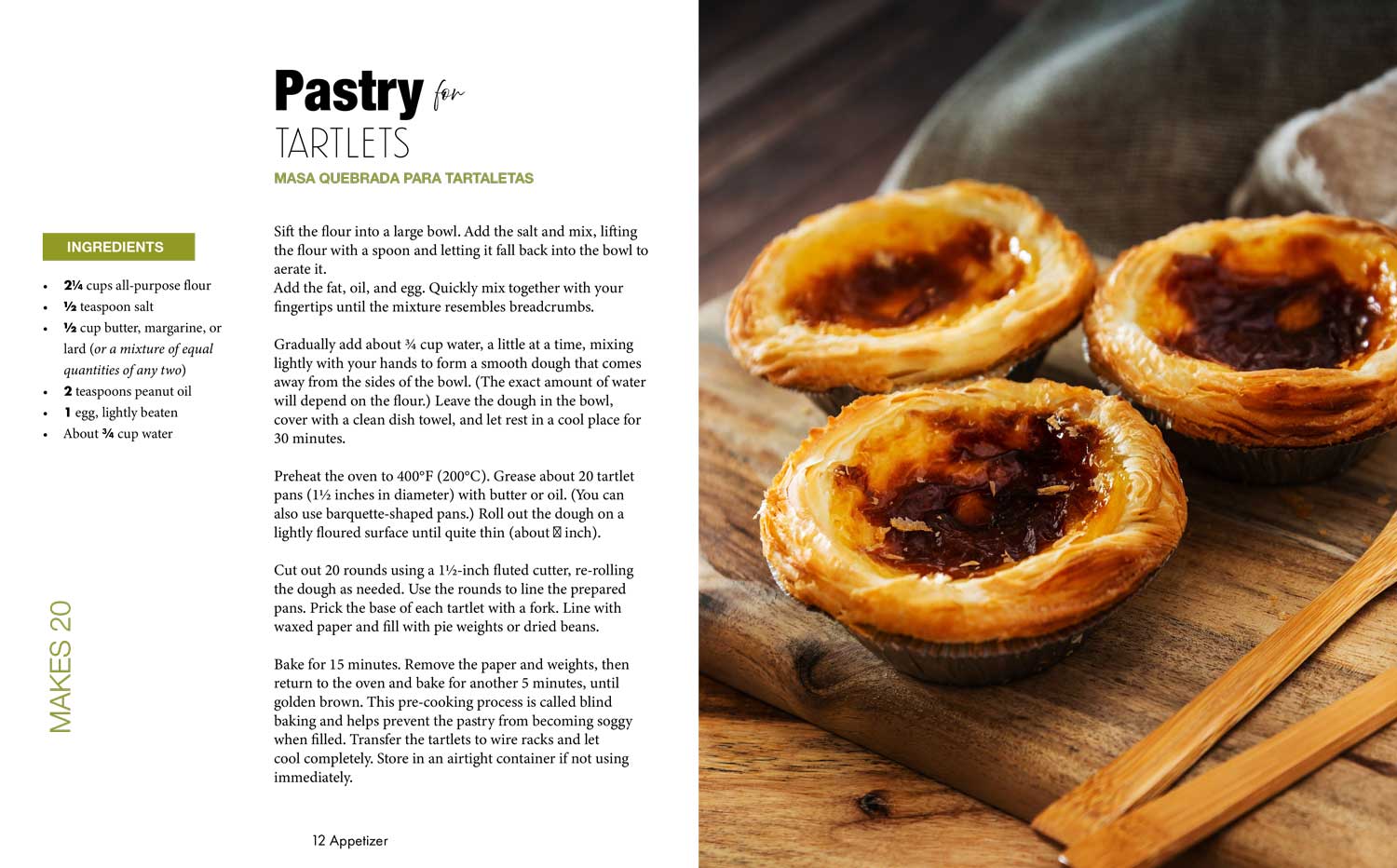
Gyara Reyes Bonilla, George Mason University, Spring 2026
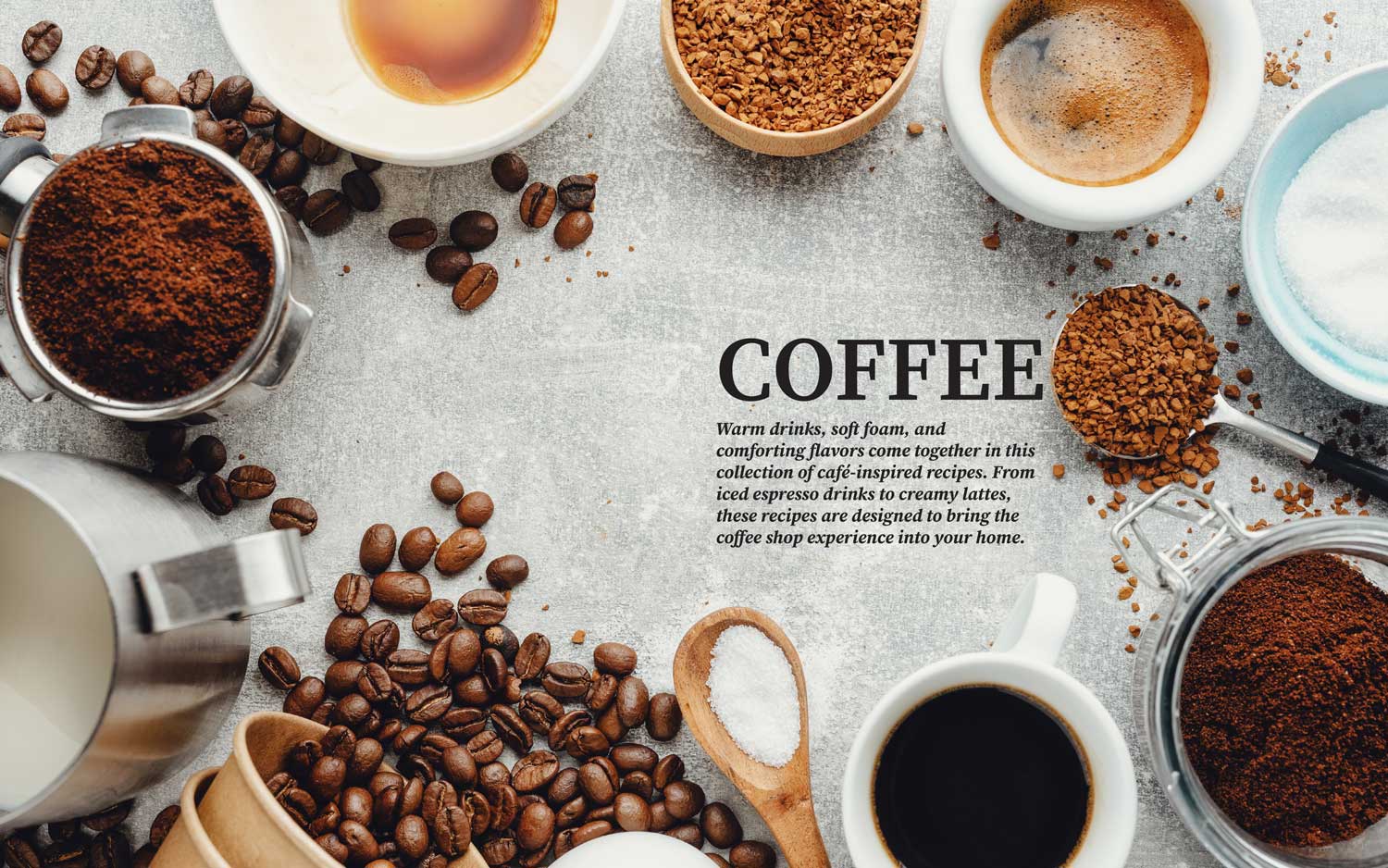
Zeynup Acun, George Mason University, Spring 2026
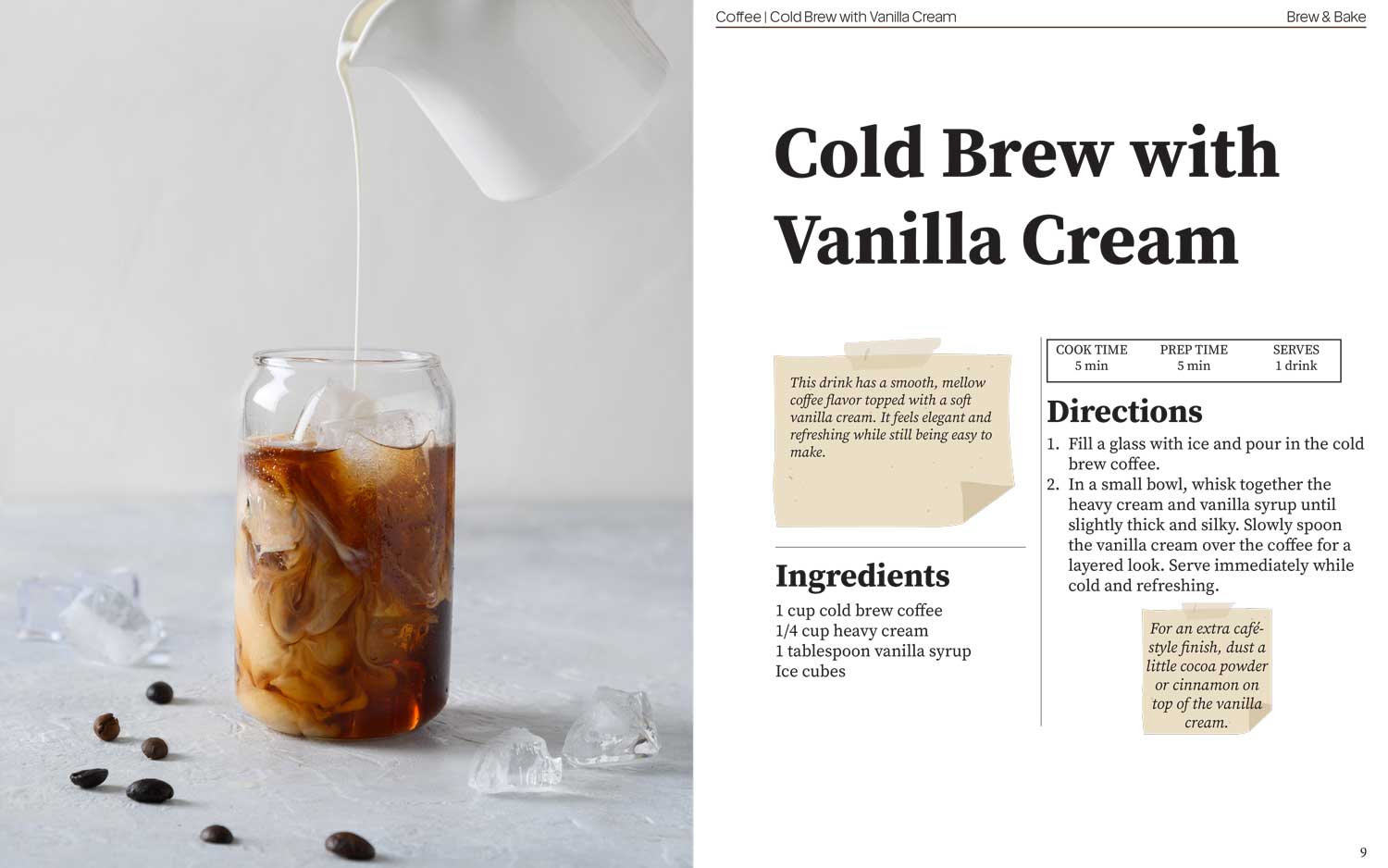
Zeynup Acun, George Mason University, Spring 2026
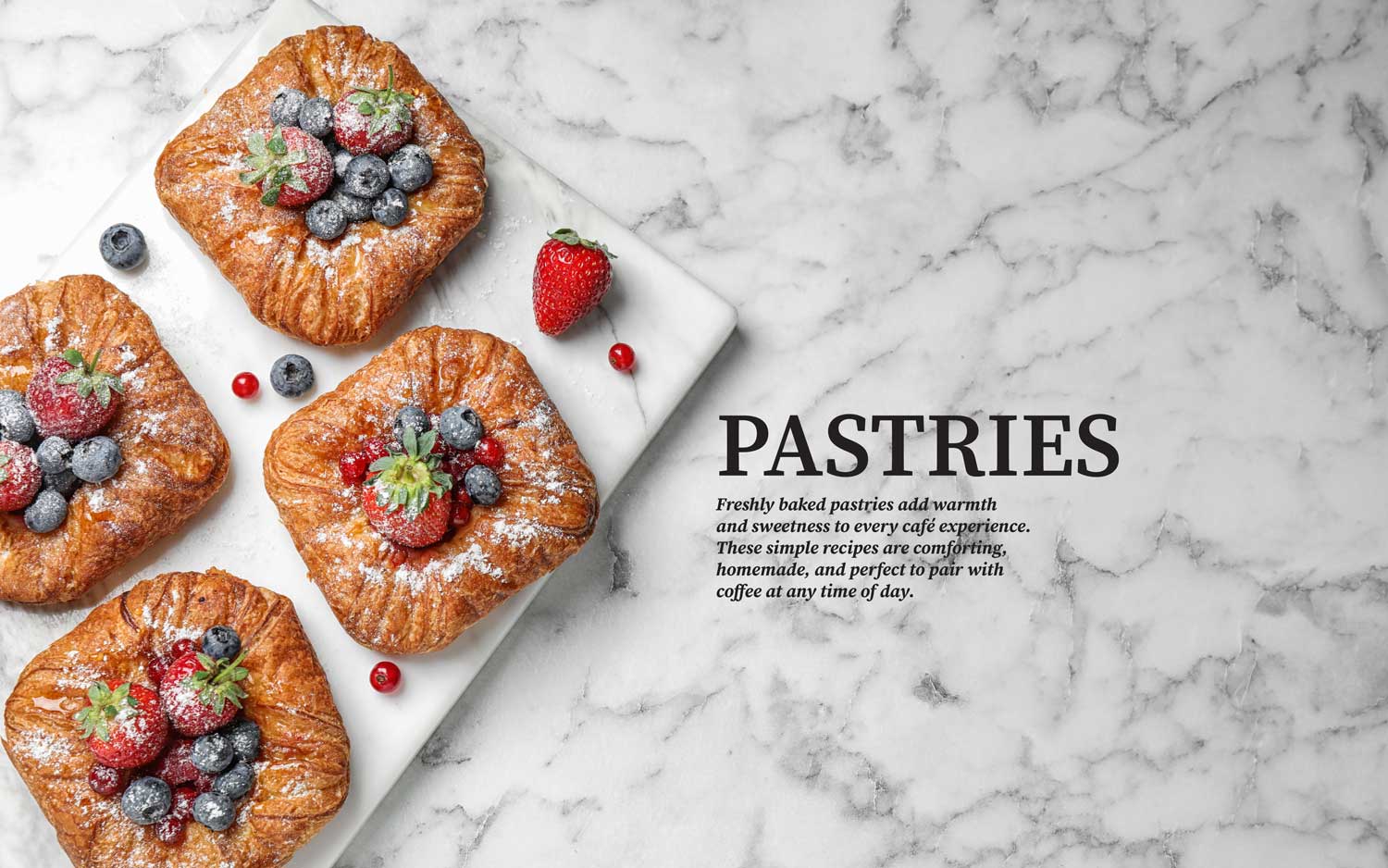
Zeynup Acun, George Mason University, Spring 2026
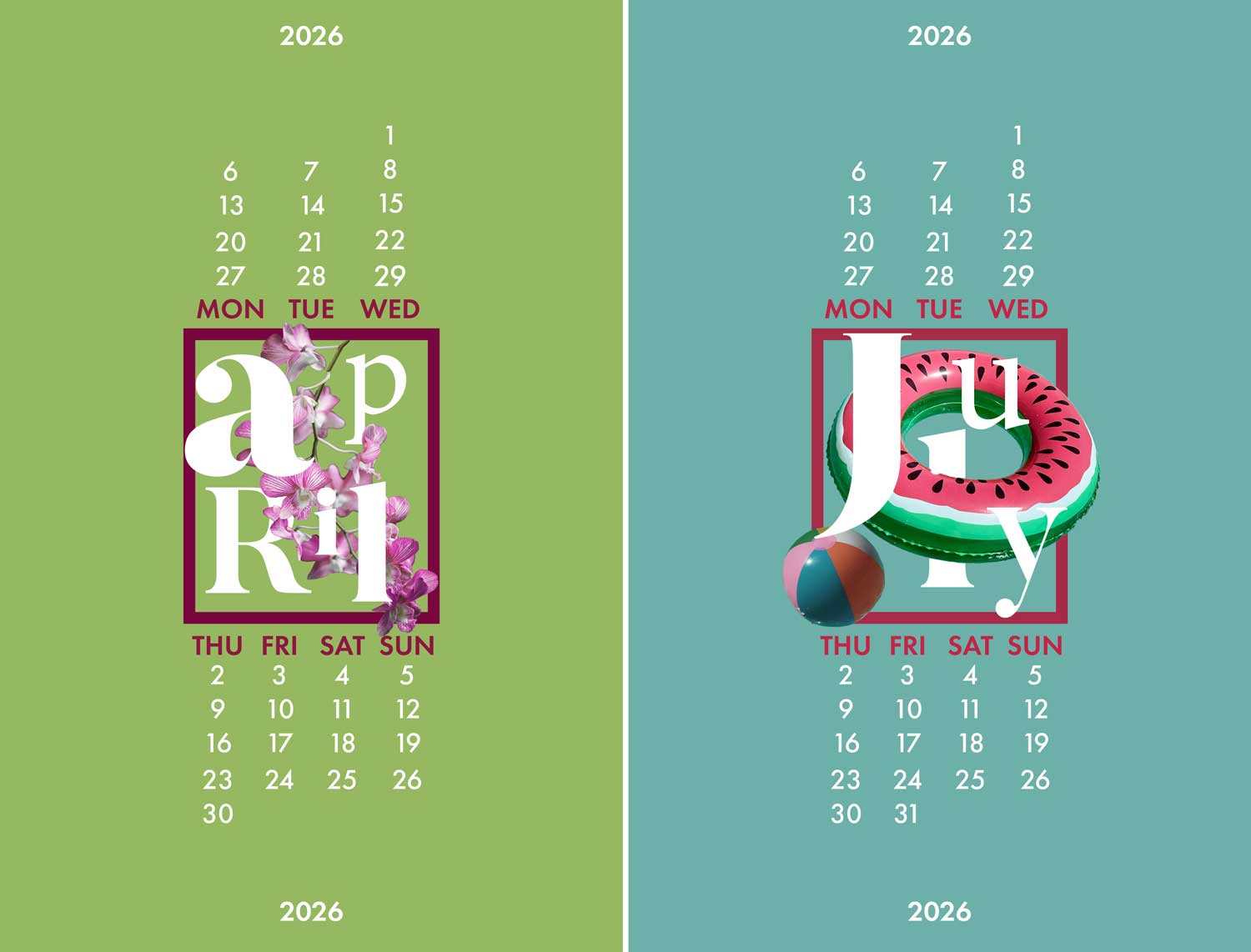
Ailin Roccolano, George Mason University, Spring 2026
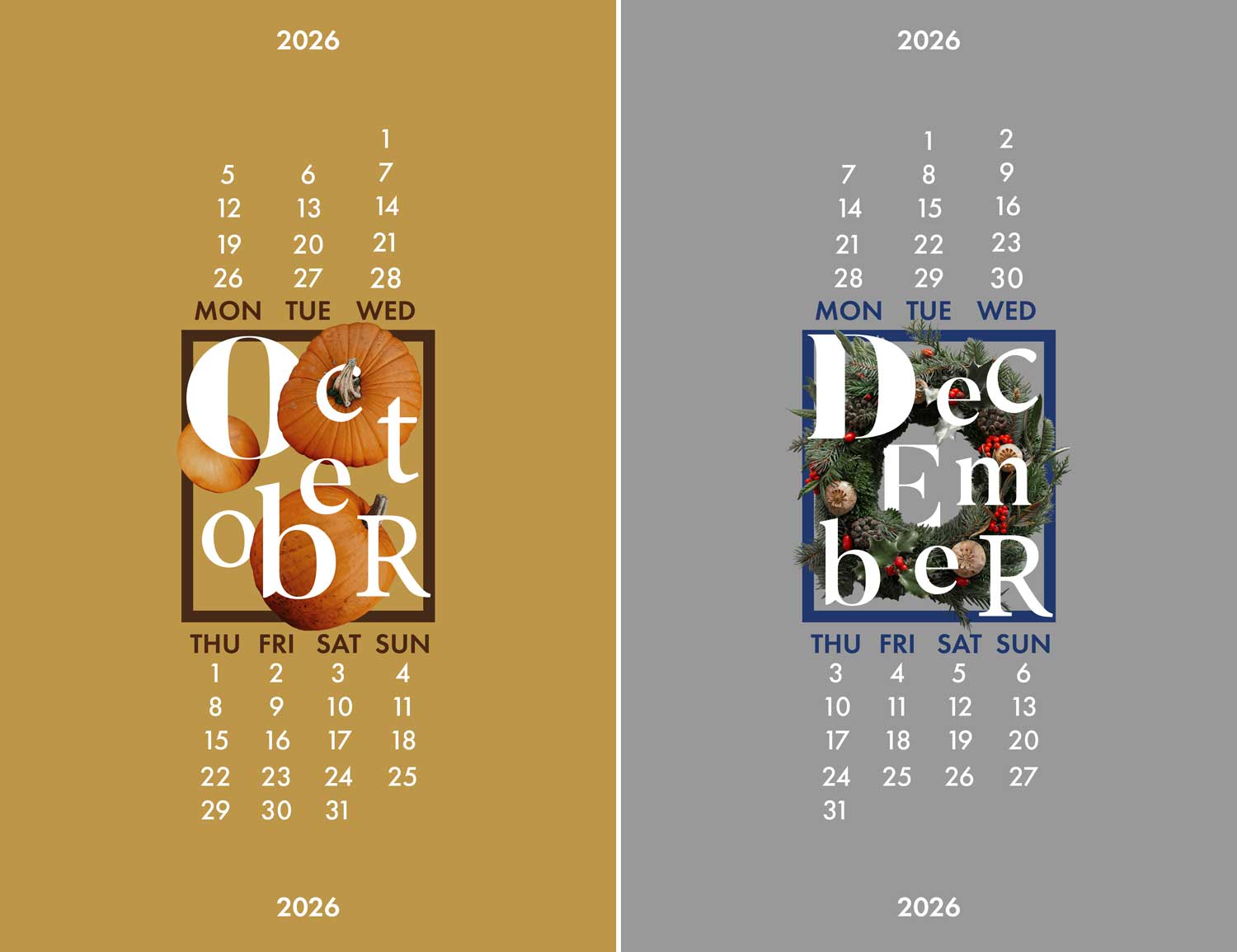
Ailin Roccolano, George Mason University, Spring 2026
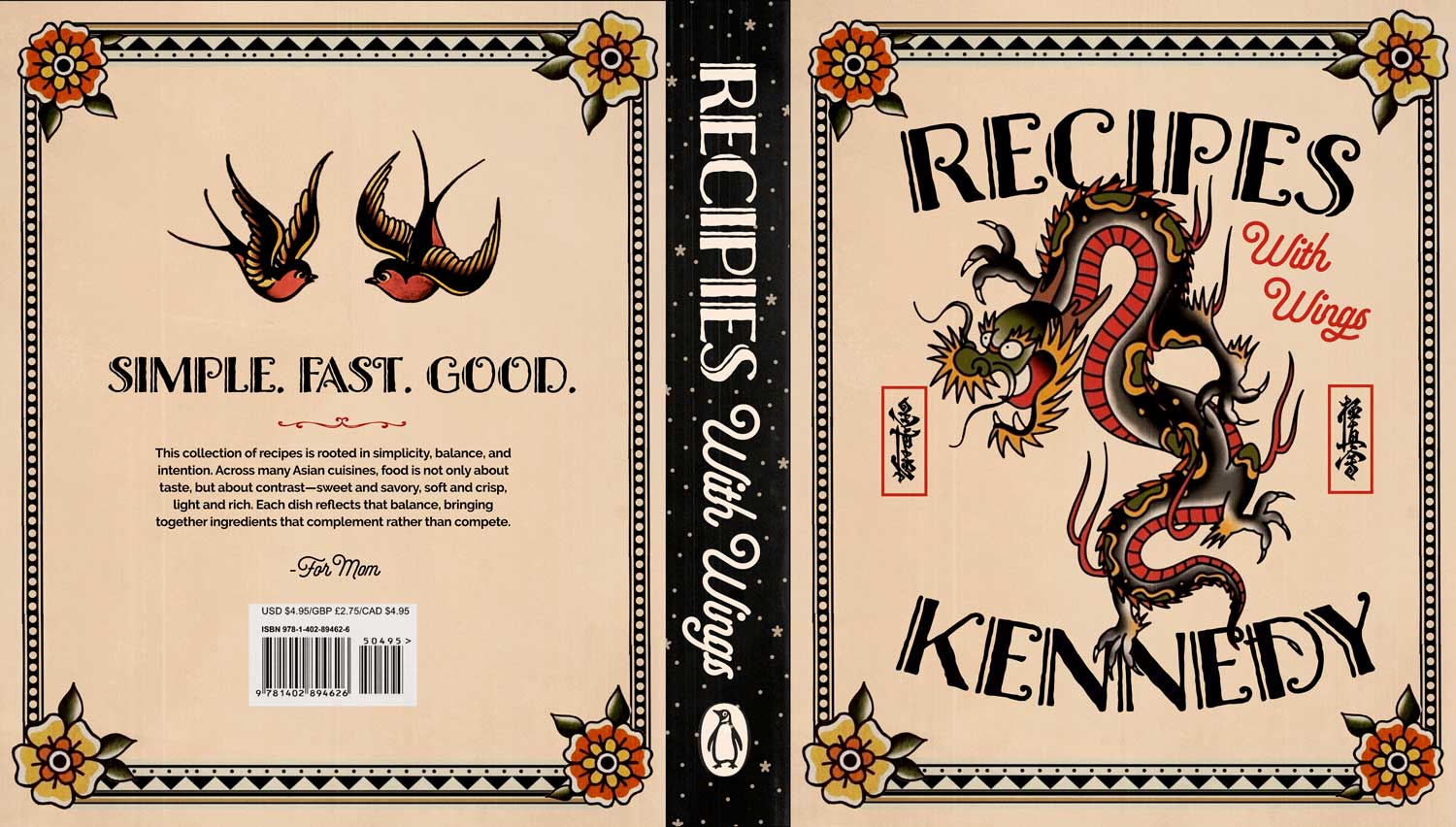
Maggie Kennedy, George Mason University, Spring 2026
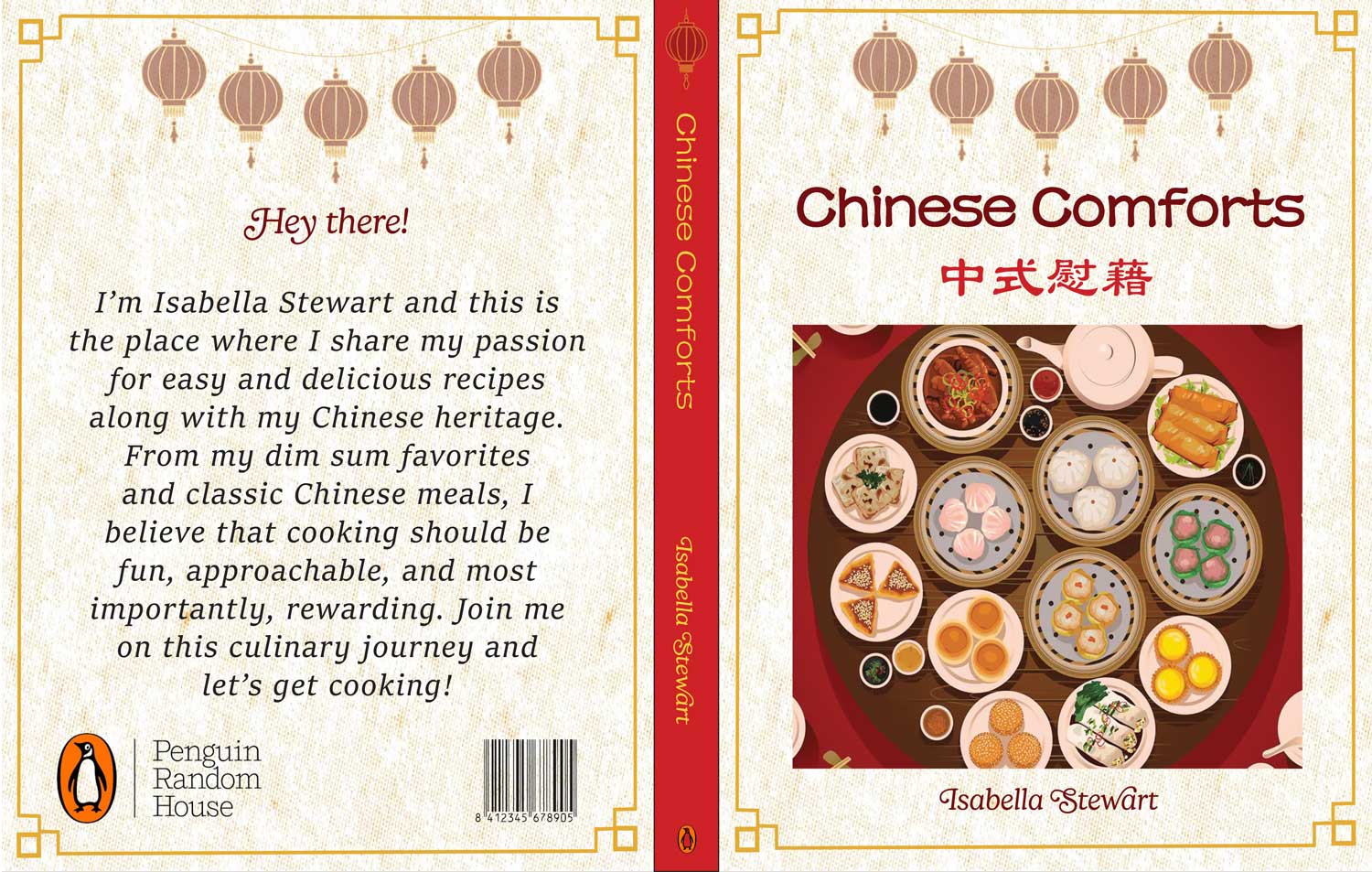
Isabella Stewart, George Mason University, Spring 2026
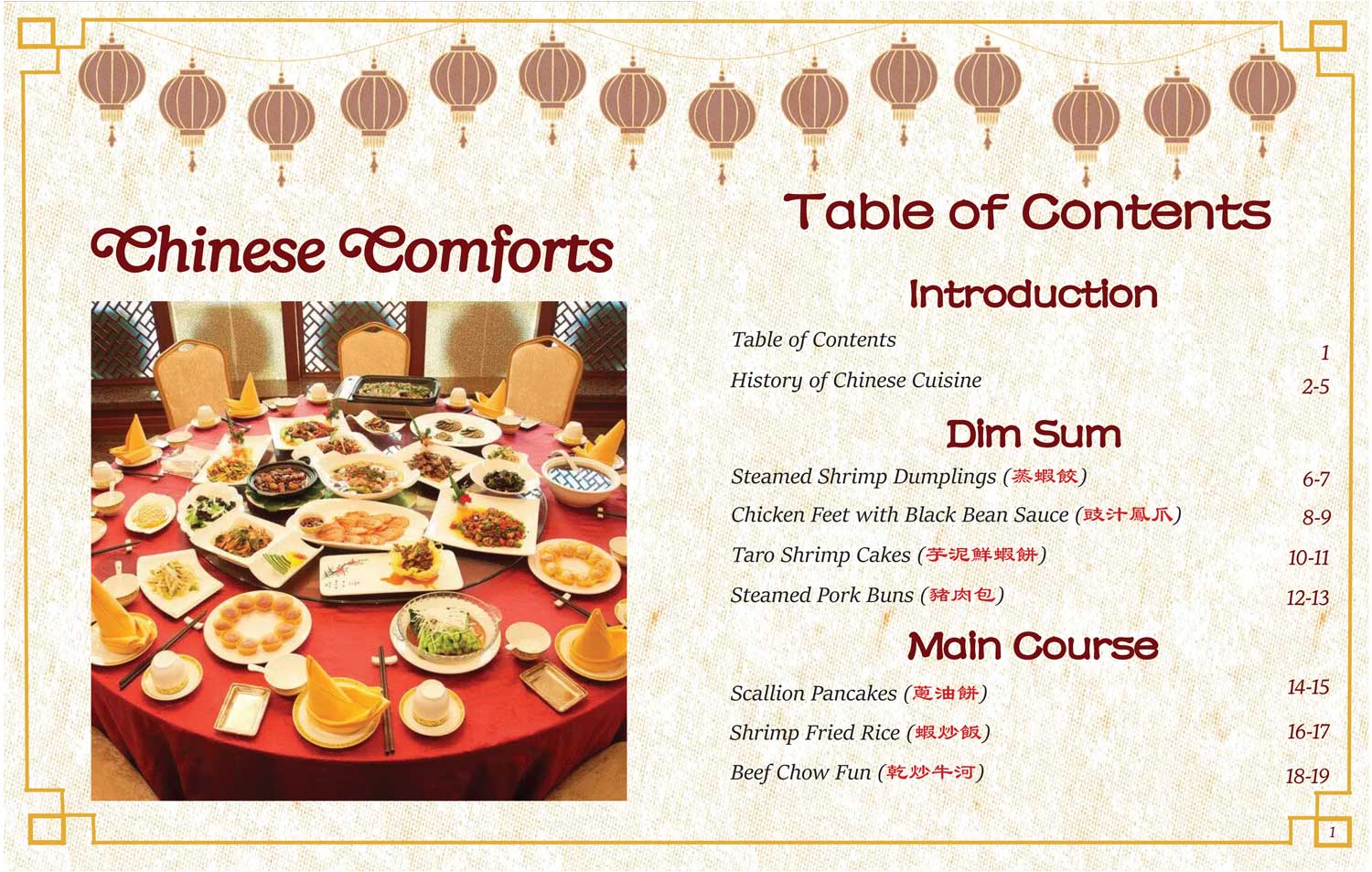
Isabella Stewart, George Mason University, Spring 2026
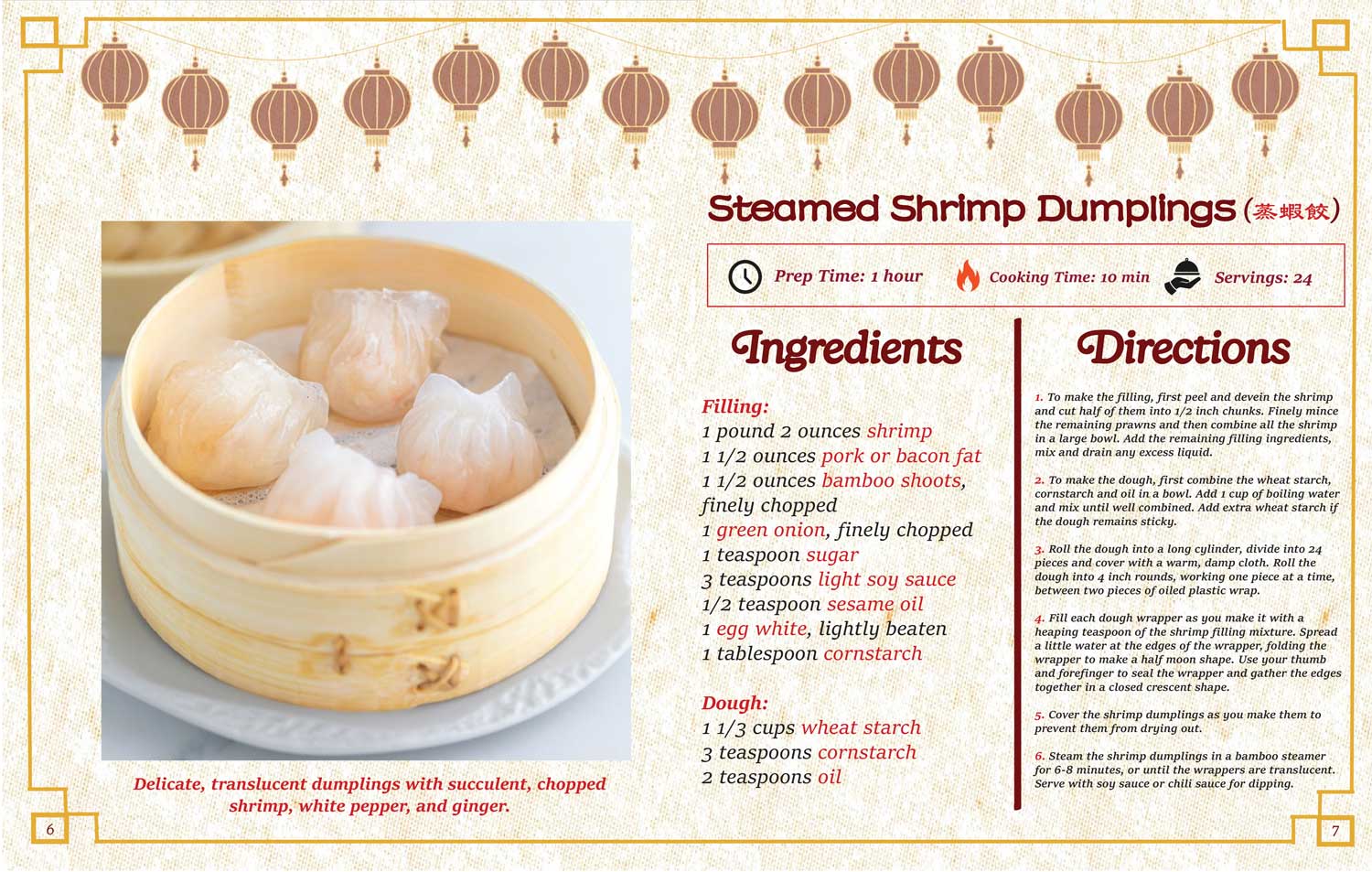
Isabella Stewart, George Mason University, Spring 2026
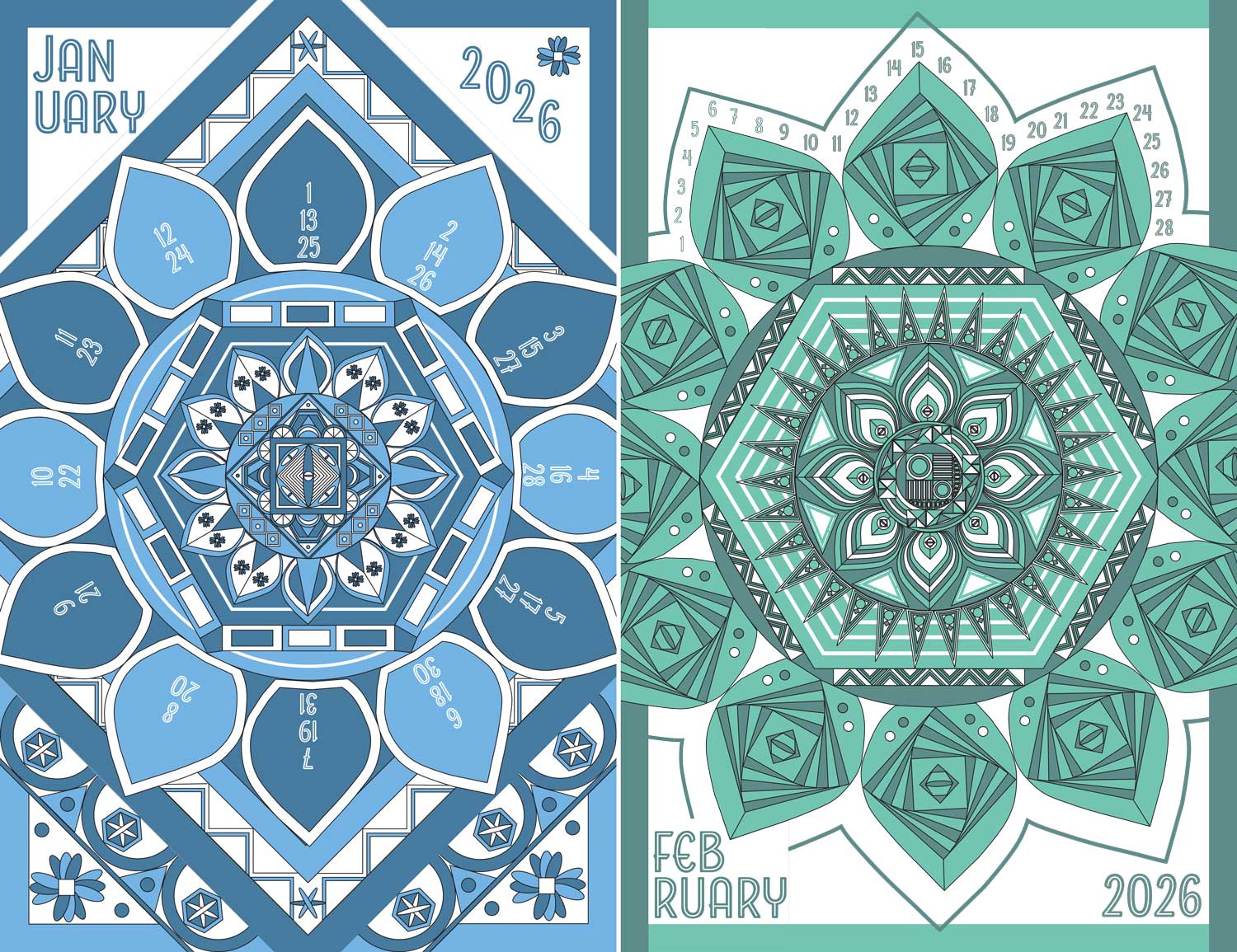
Katie Stramaglia, George Mason University, Spring 2026
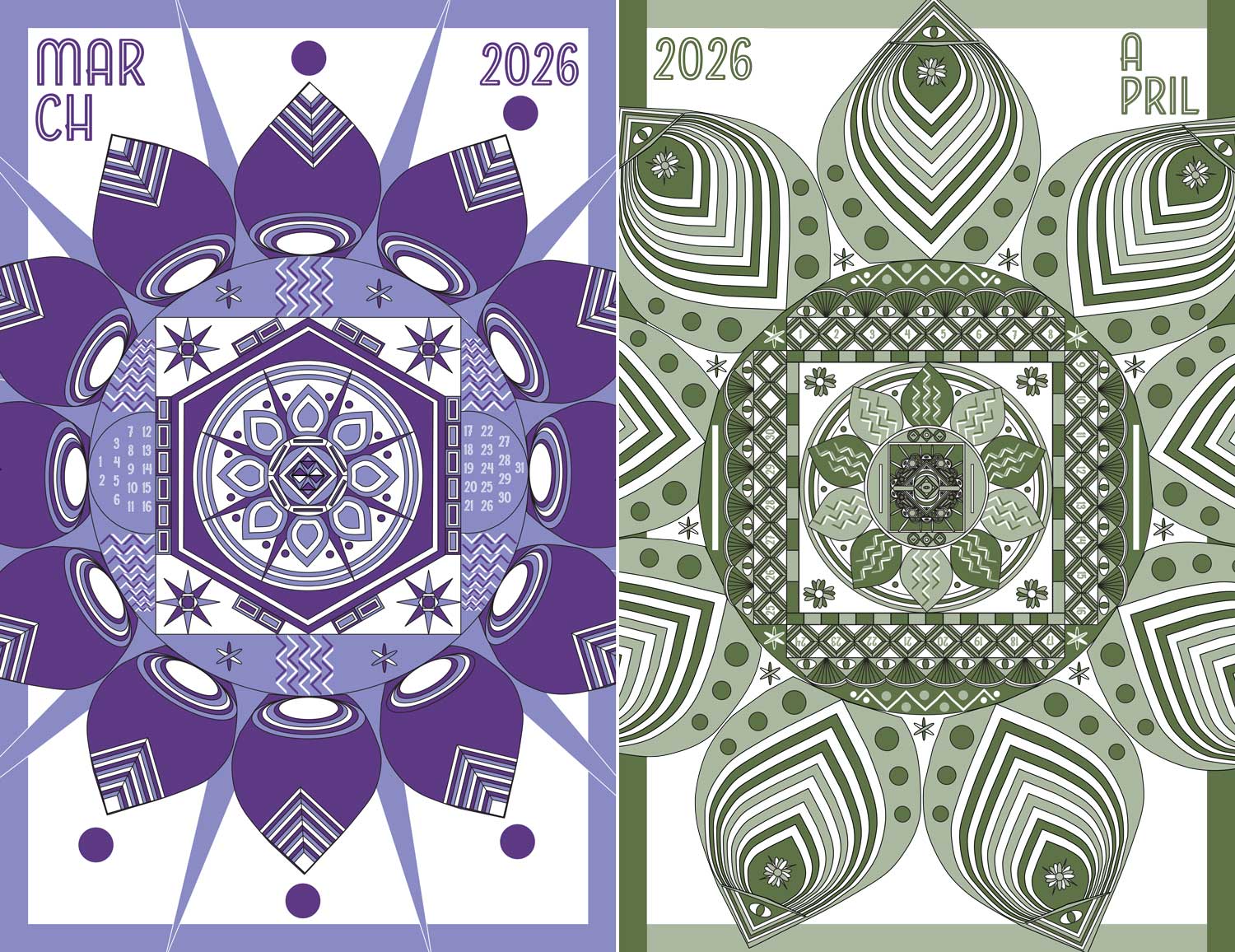
Katie Stramaglia, George Mason University, Spring 2026
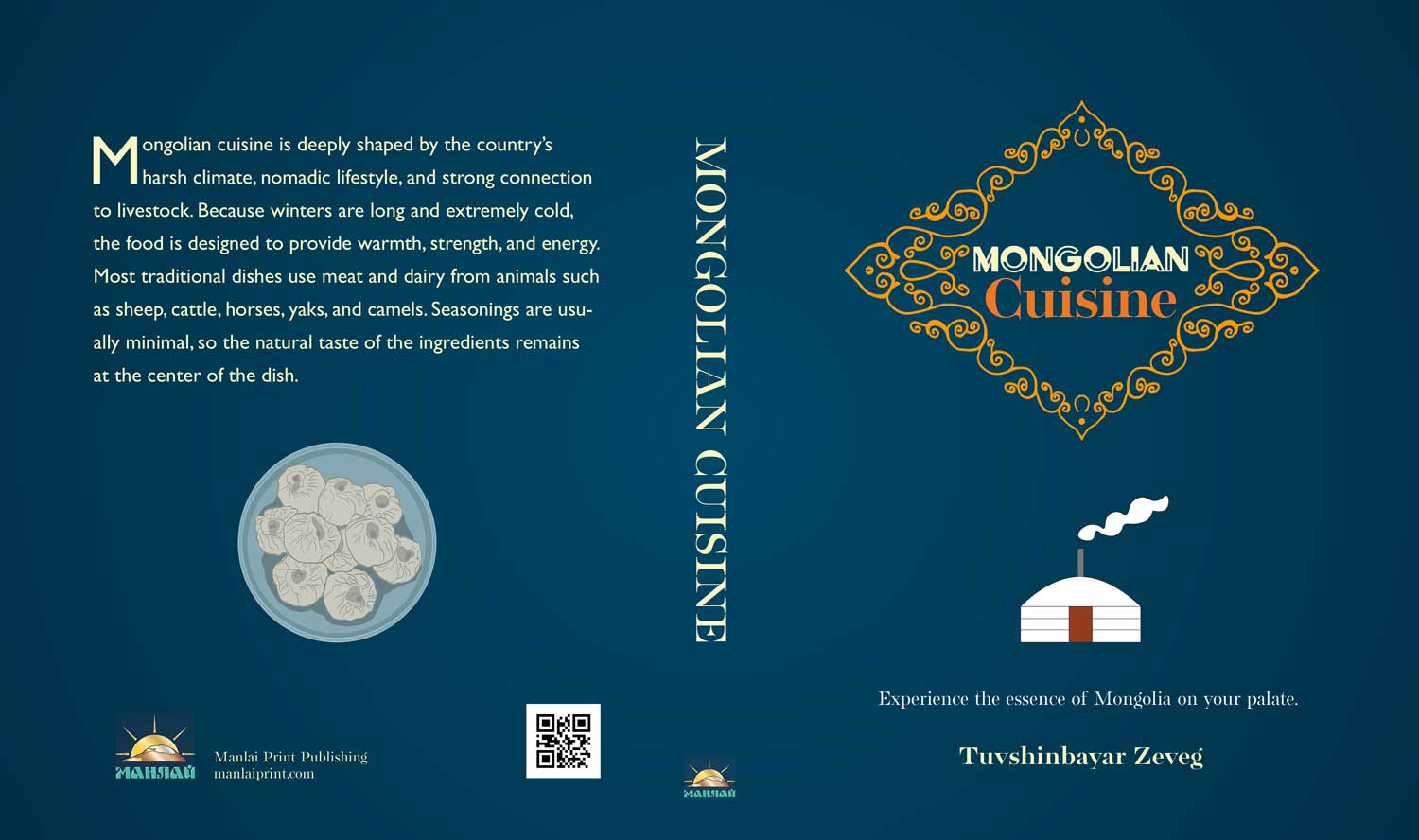
Tuvshinbayar Zeveg, George Mason University, Fall 2025
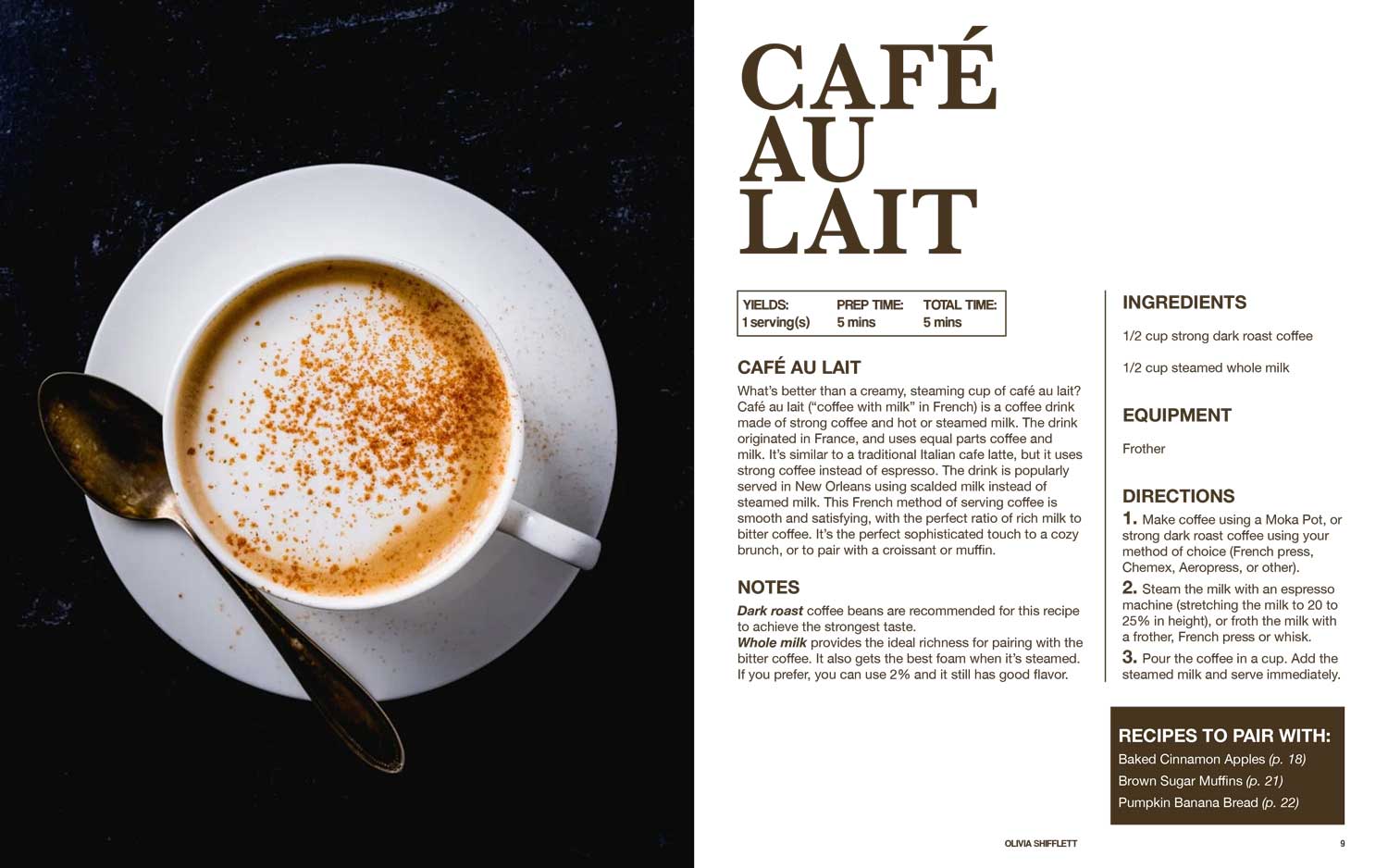
Olivia Shifflet, George Mason University, Fall 2025
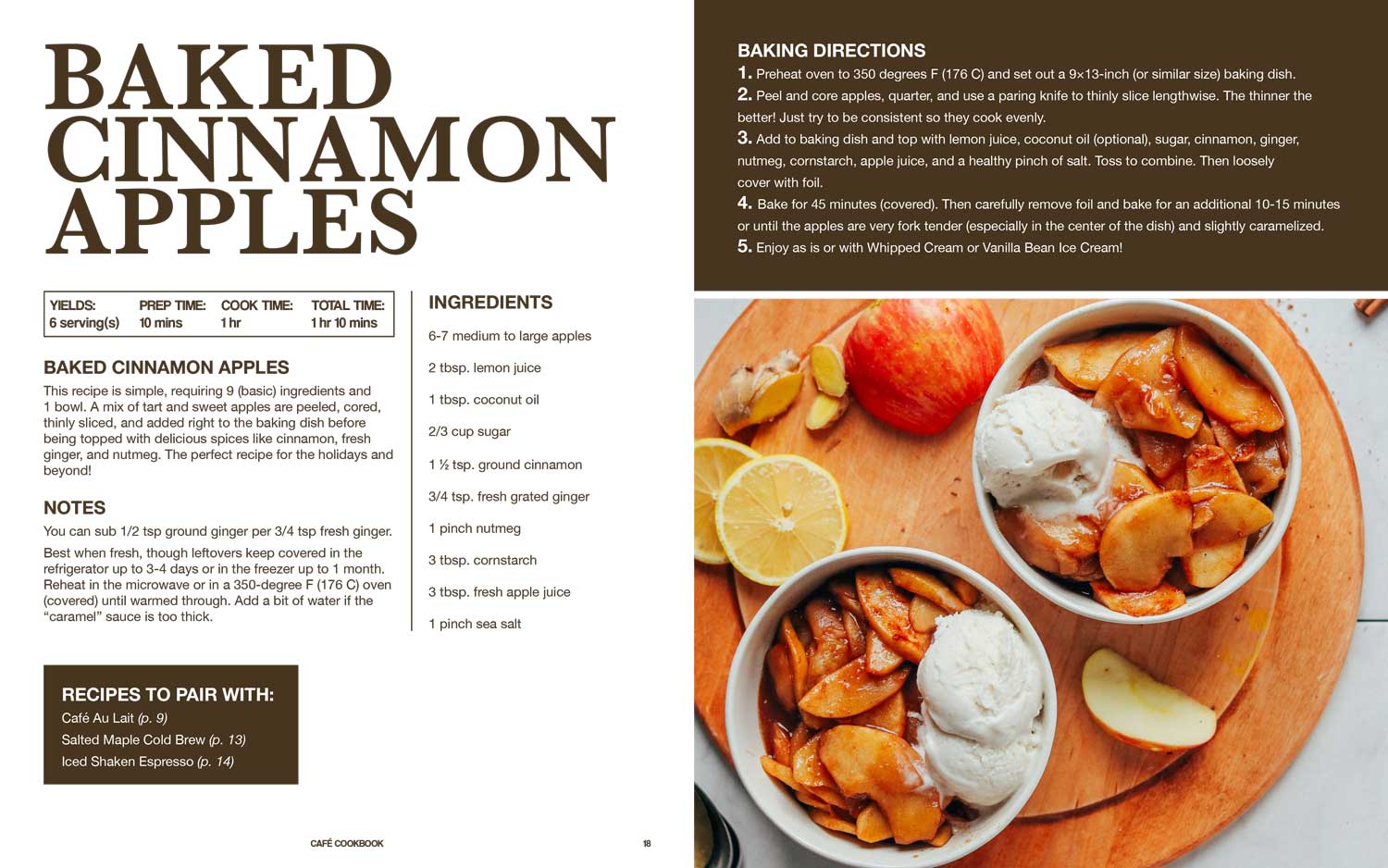
Olivia Shifflet, George Mason University, Fall 2025
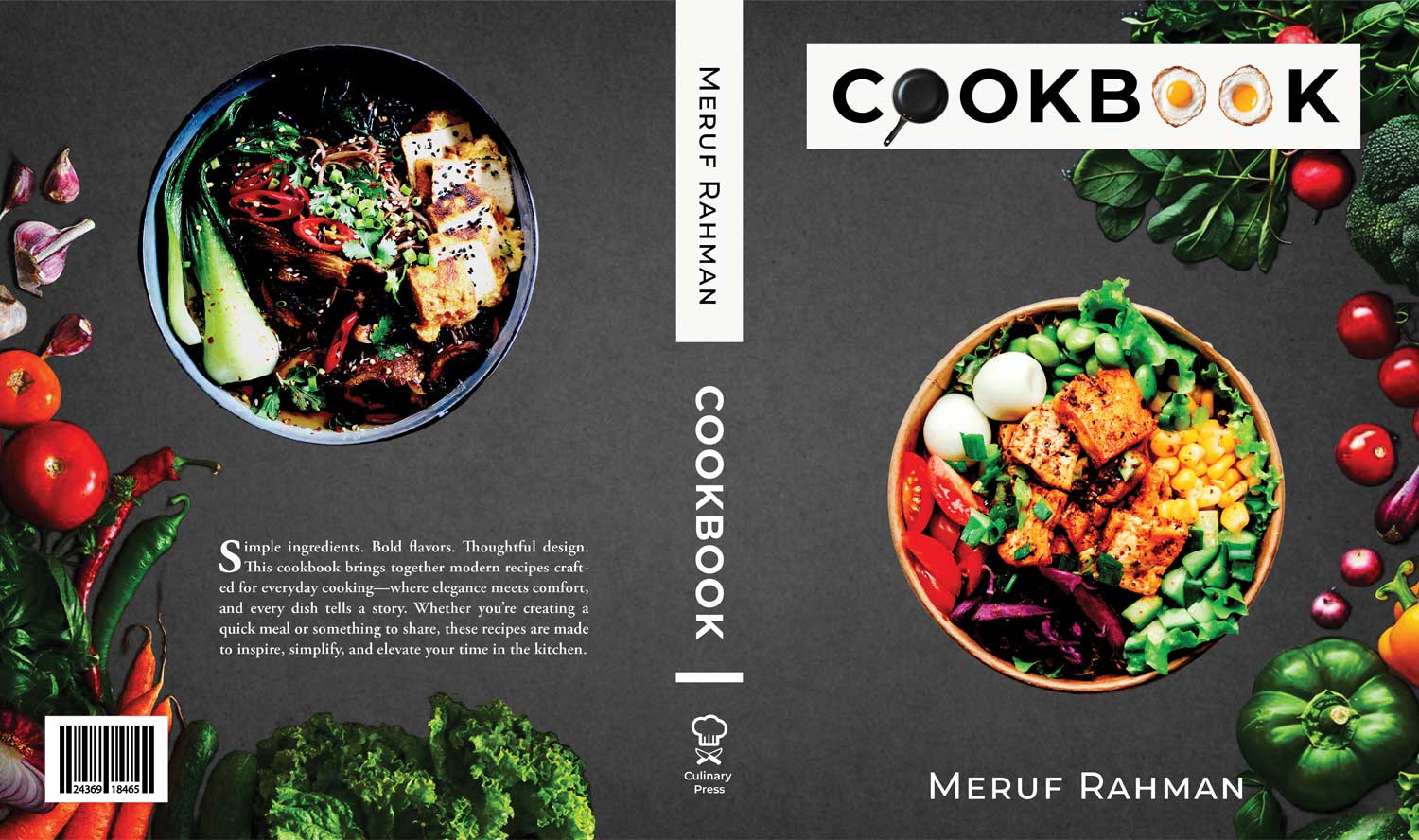
Matthew Medrano, George Mason University, Spring 2026

Matthew Medrano, George Mason University, Spring 2026
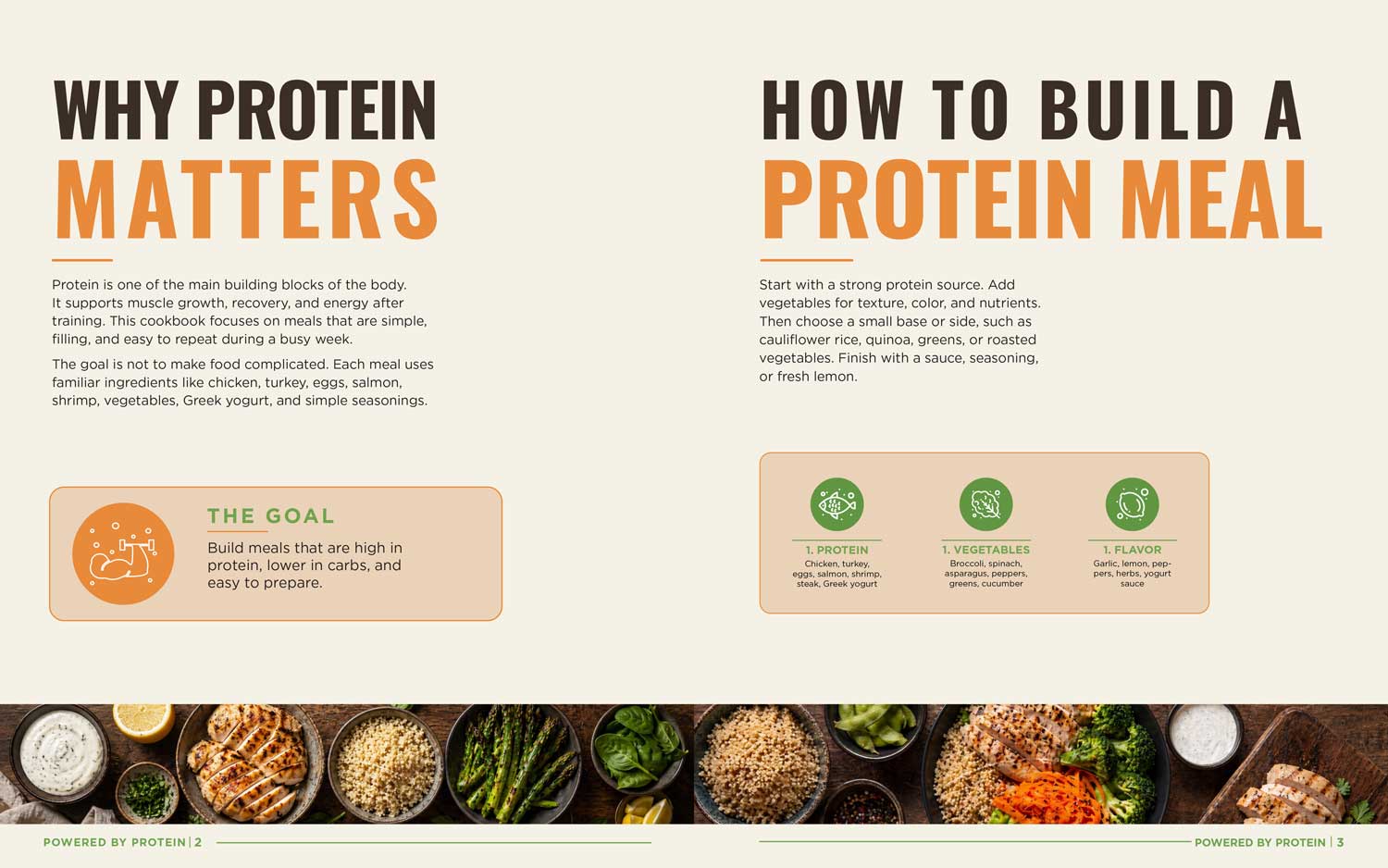
Matthew Medrano, George Mason University, Spring 2026
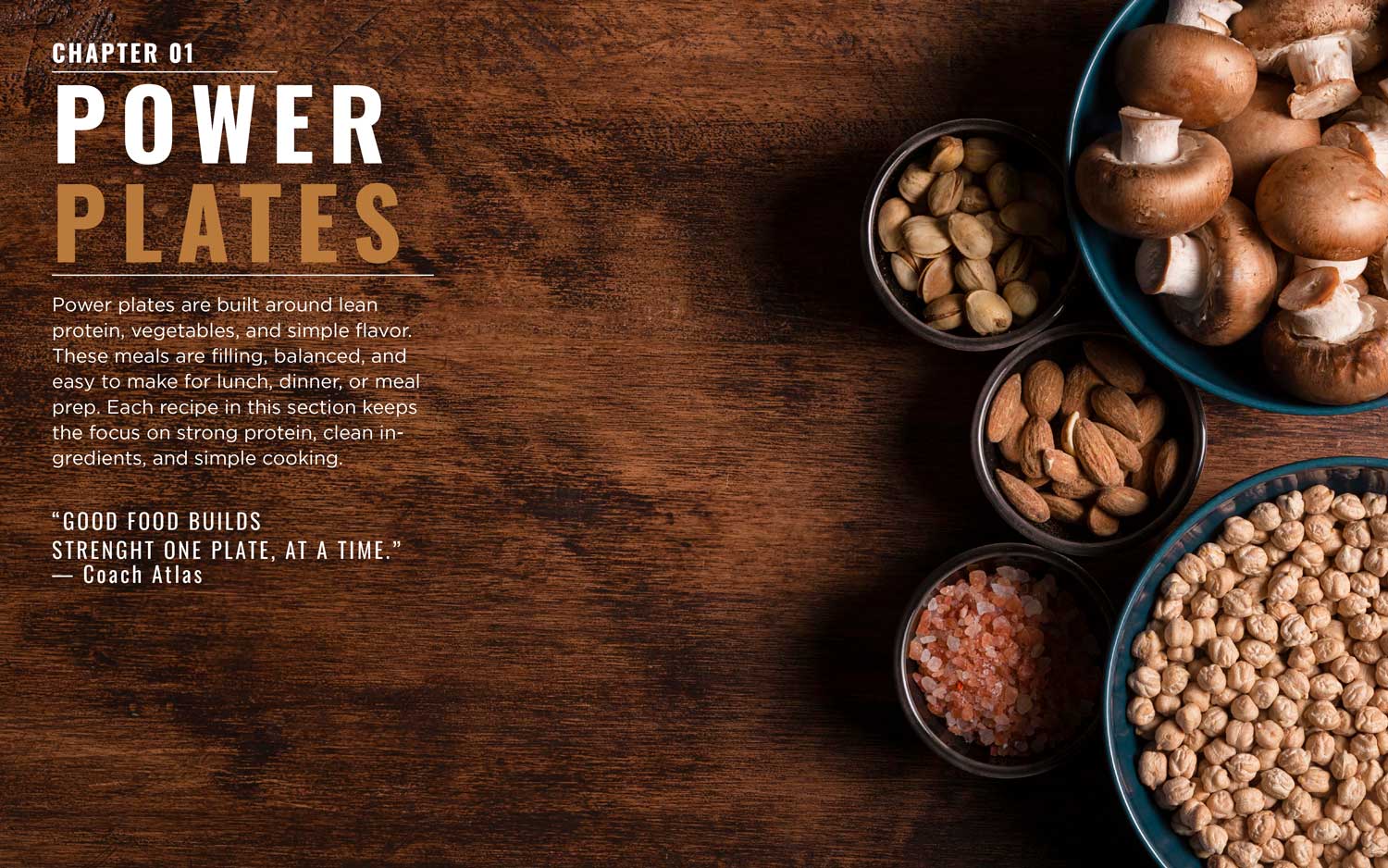
Matthew Medrano, George Mason University, Spring 2026
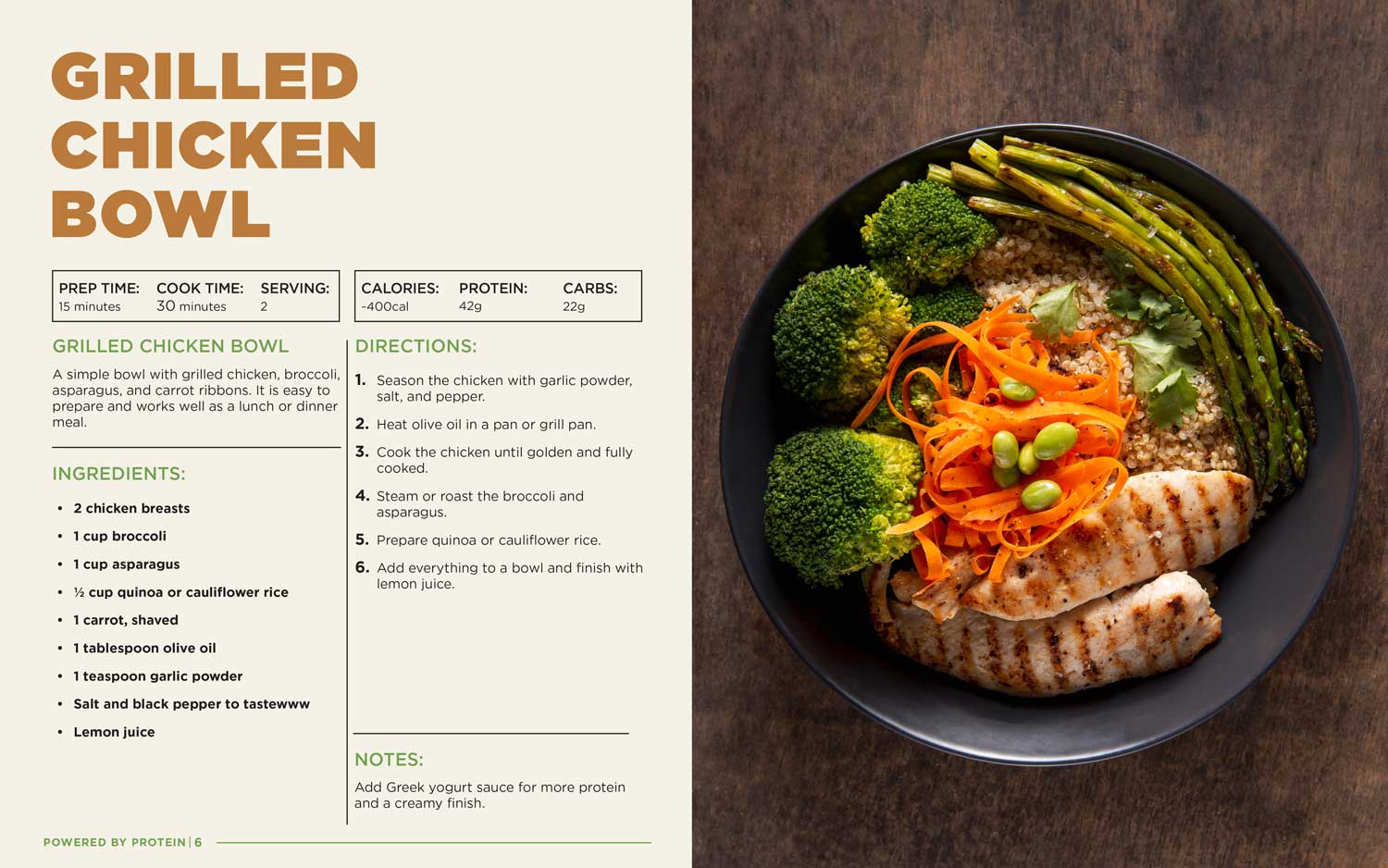
Matthew Medrano, George Mason University, Spring 2026
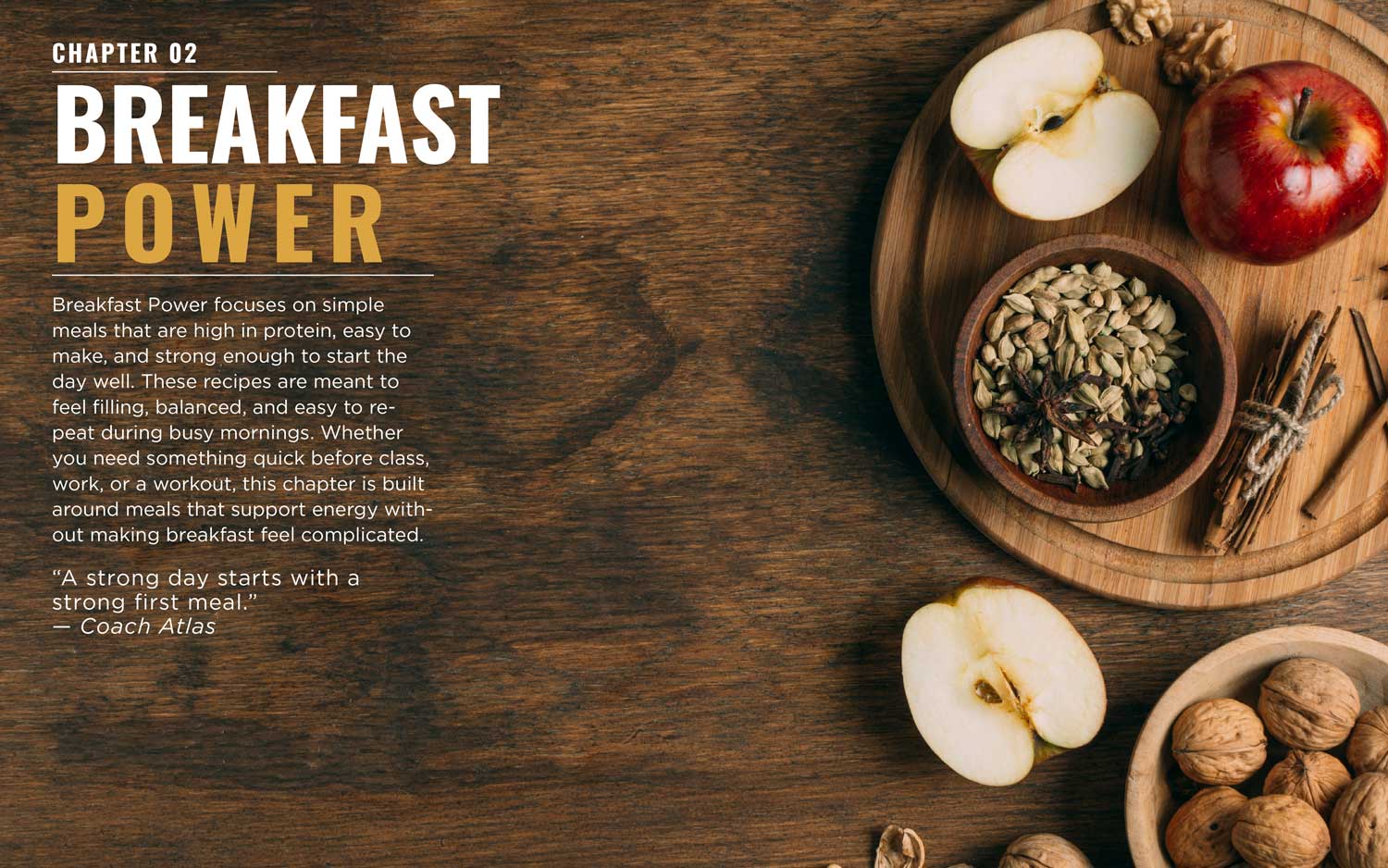
Matthew Medrano, George Mason University, Spring 2026
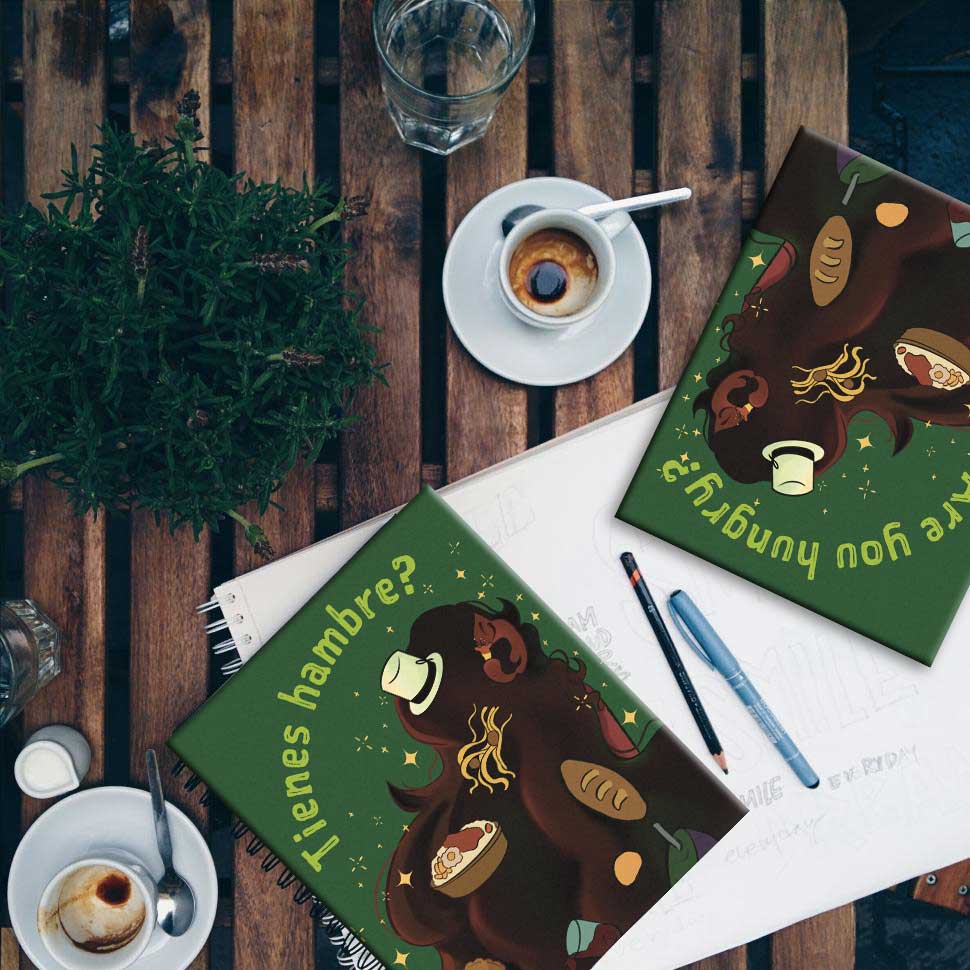
Marian Claros Barrientos, George Mason University, Spring 2026, bilingual cookbook, front and back covers are one and the same
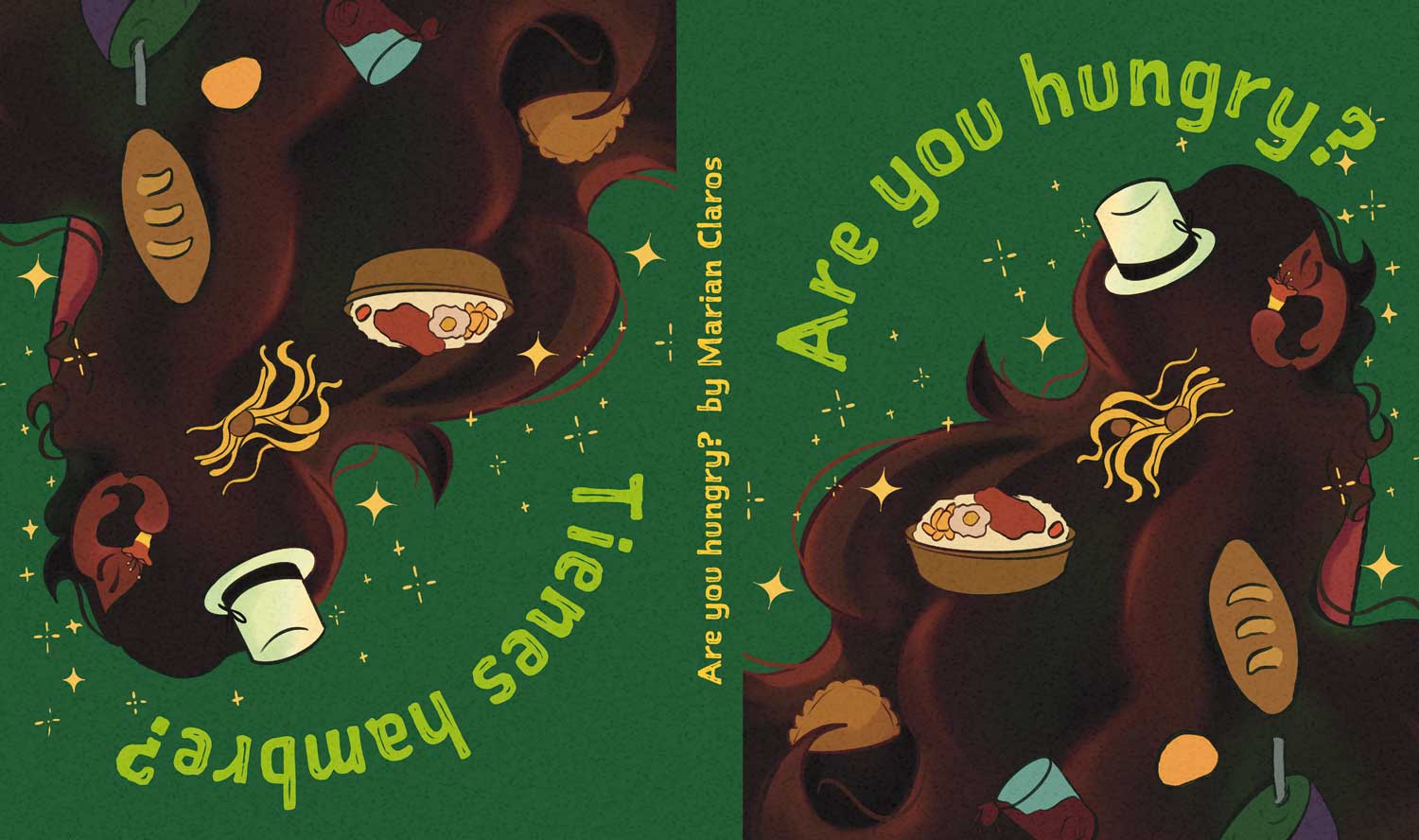
Marian Claros Barrientos, George Mason University, Spring 2026
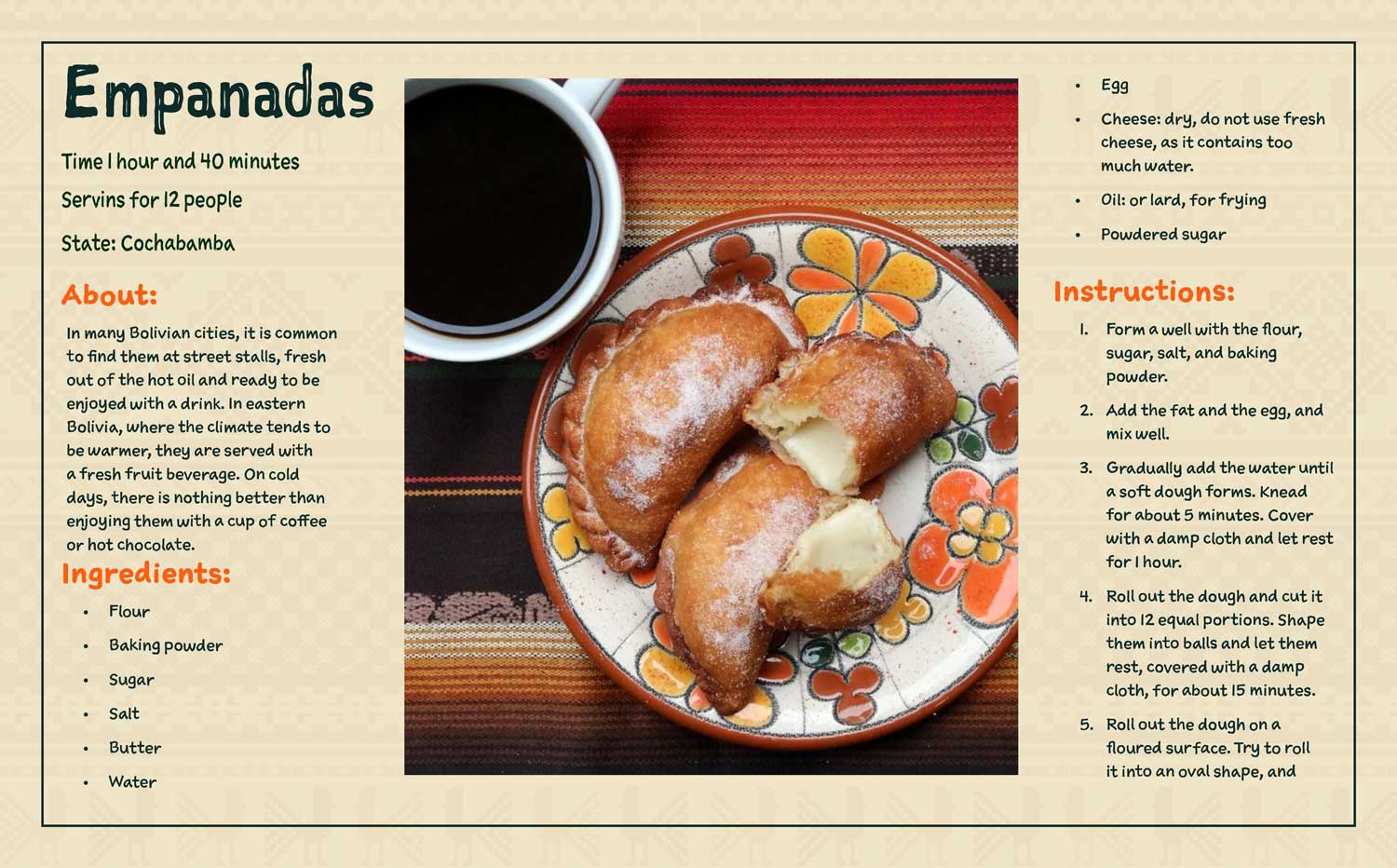
Marian Claros Barrientos, George Mason University, Spring 2026
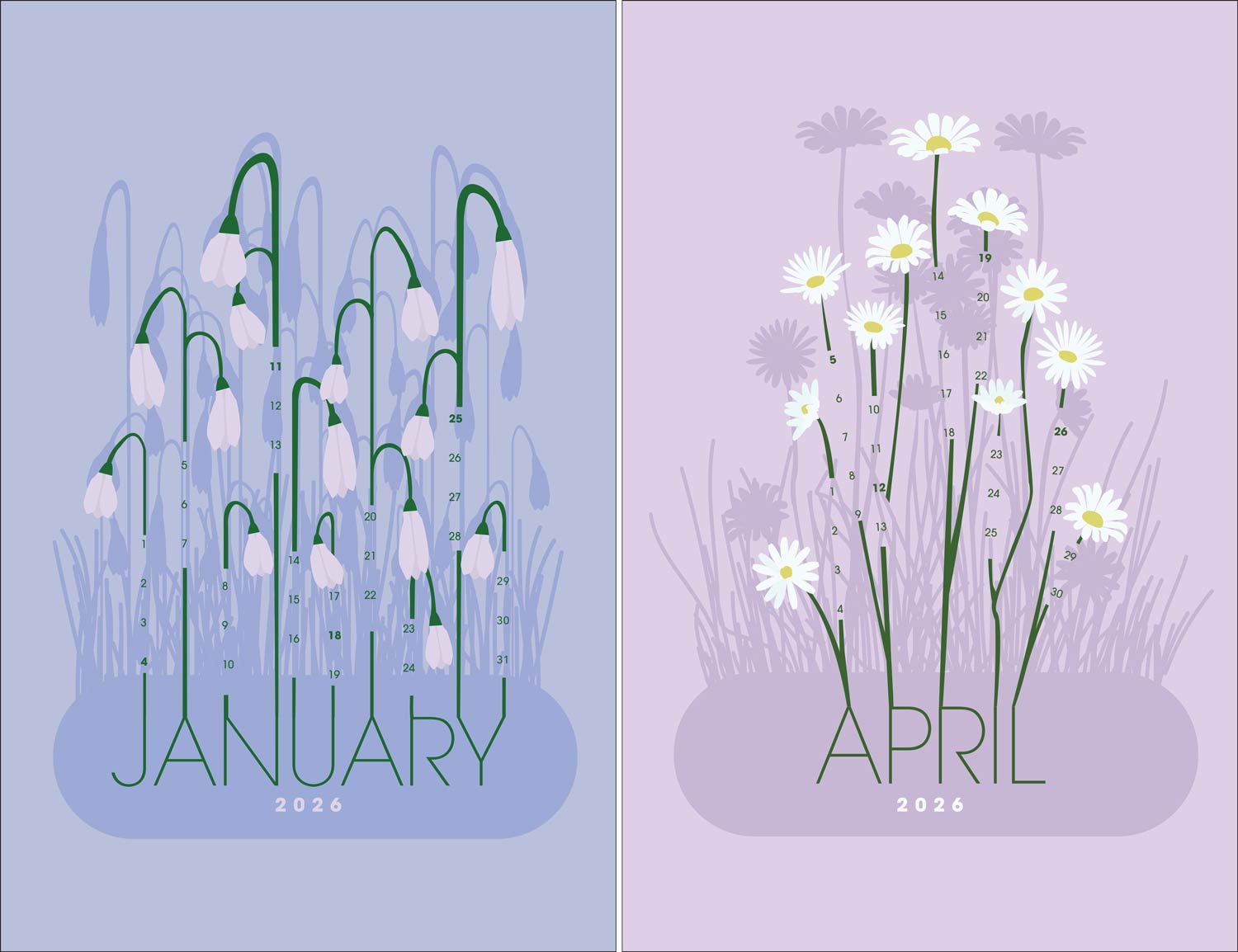
Amy Boteler, George Mason University, Spring 2026
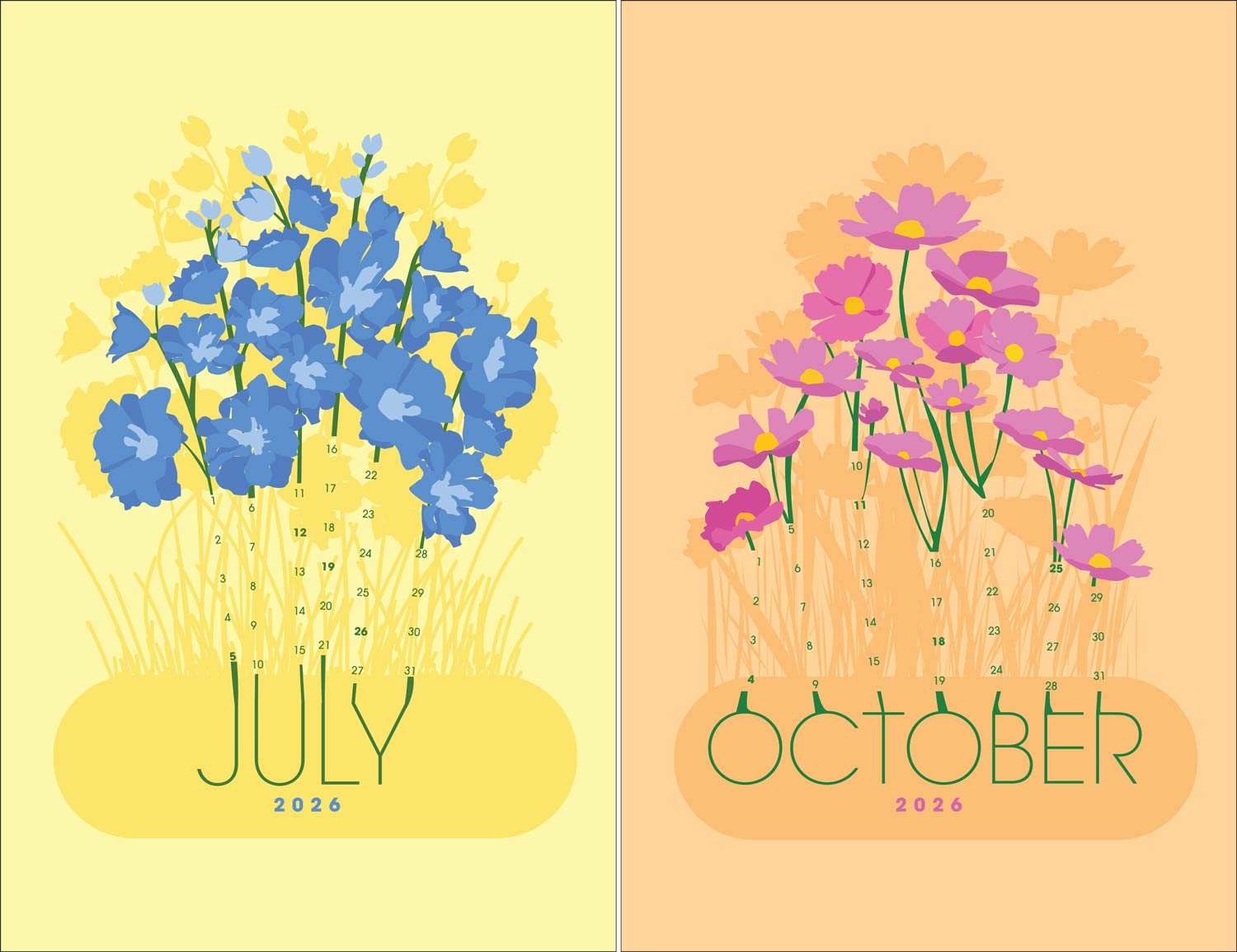
Amy Boteler, George Mason University, Spring 2026
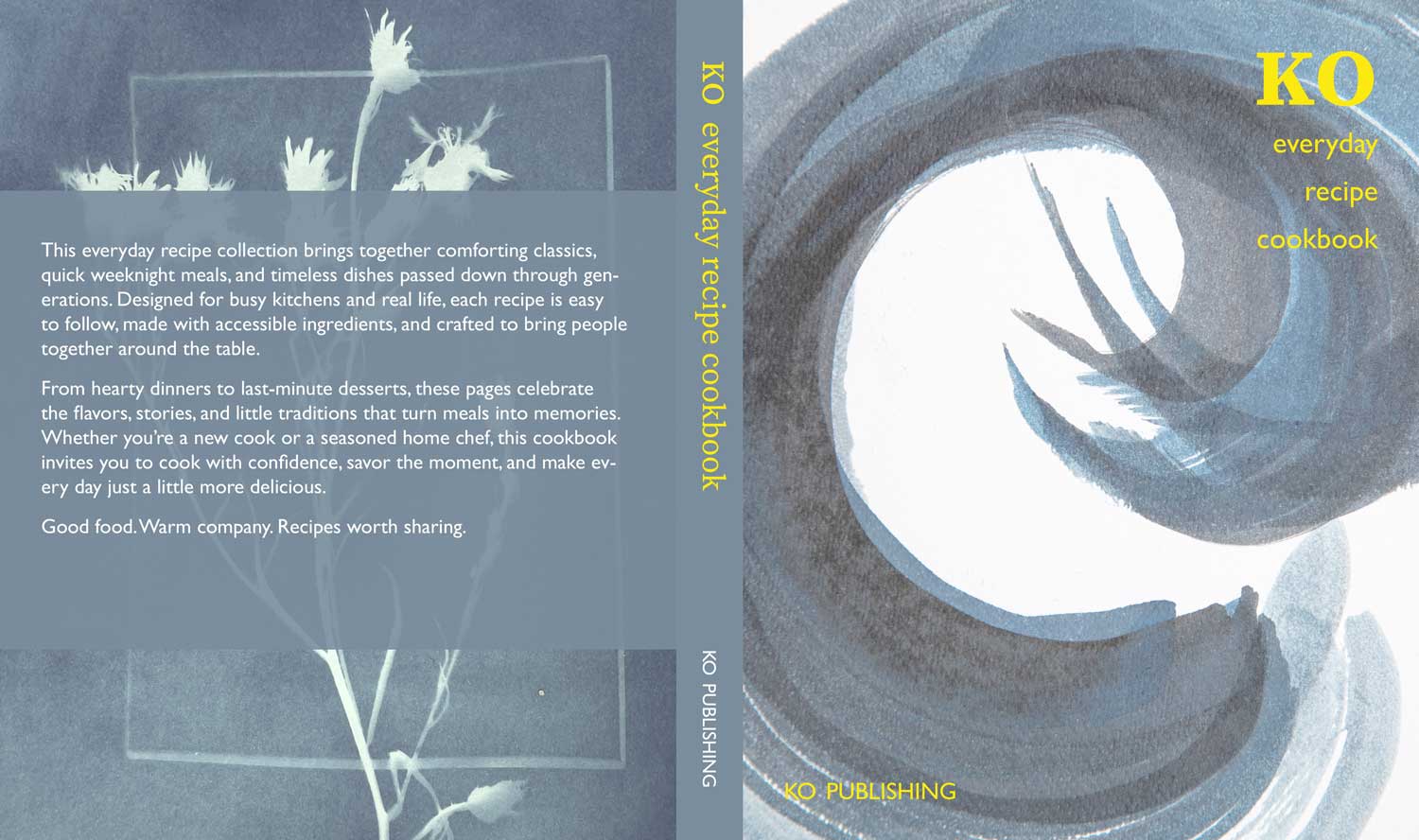
Ko Hayley, George Mason University, Fall 2025
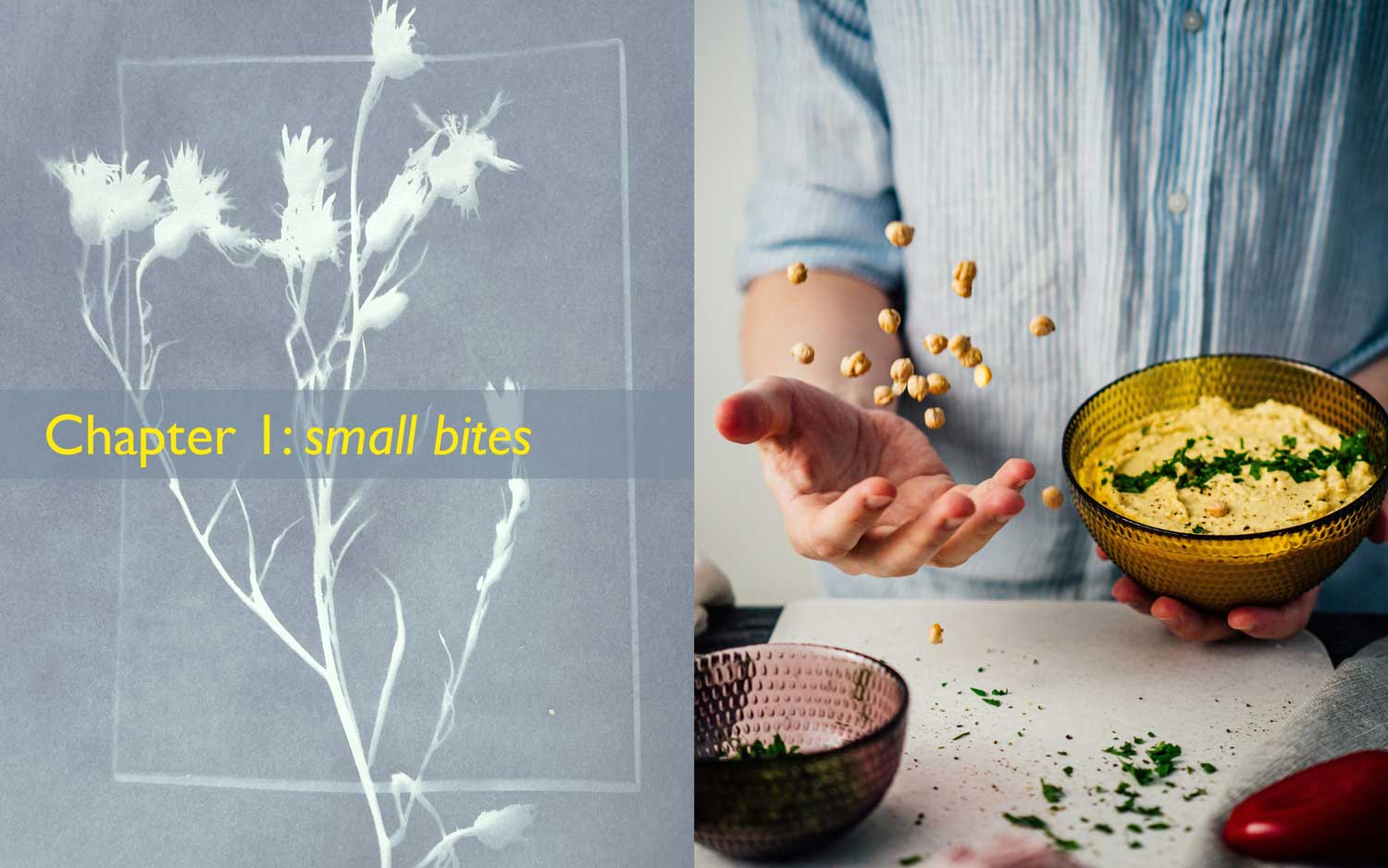
Ko Hayley, George Mason University, Fall 2025
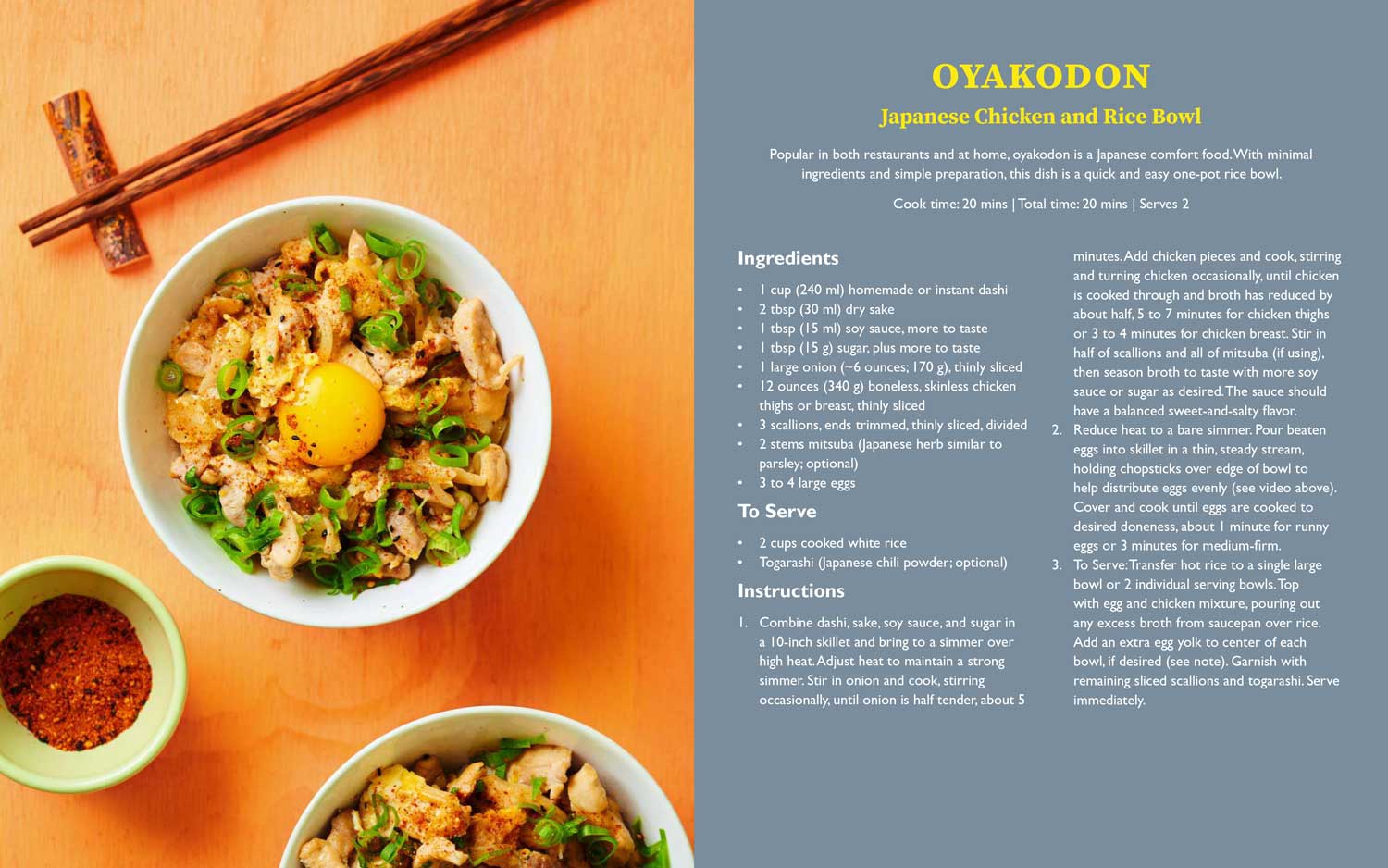
Ko Hayley, George Mason University, Fall 2025

Holly Magness, George Mason University, Fall 2025
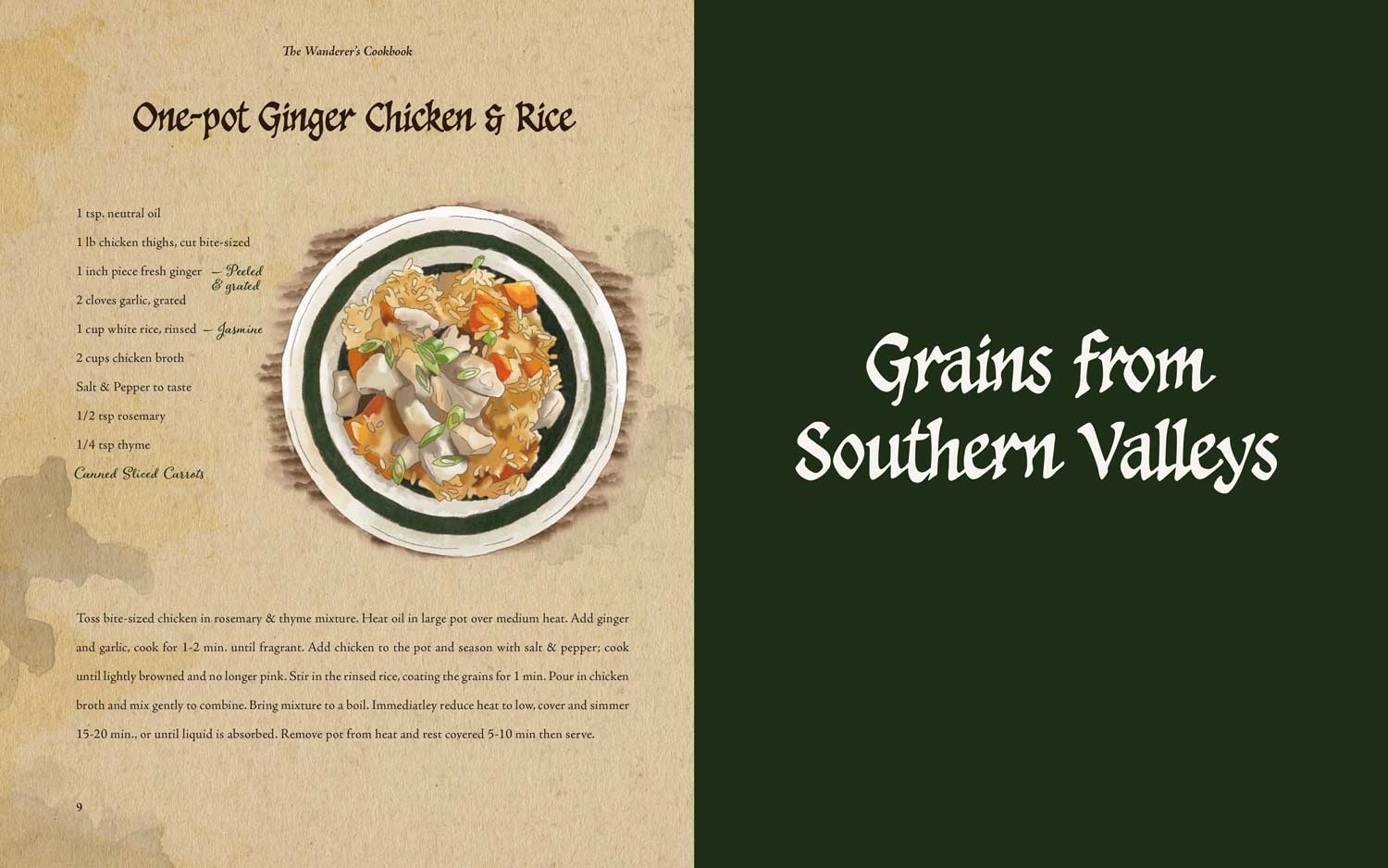
Sarah Hendrickson, George Mason University, Spring 2026
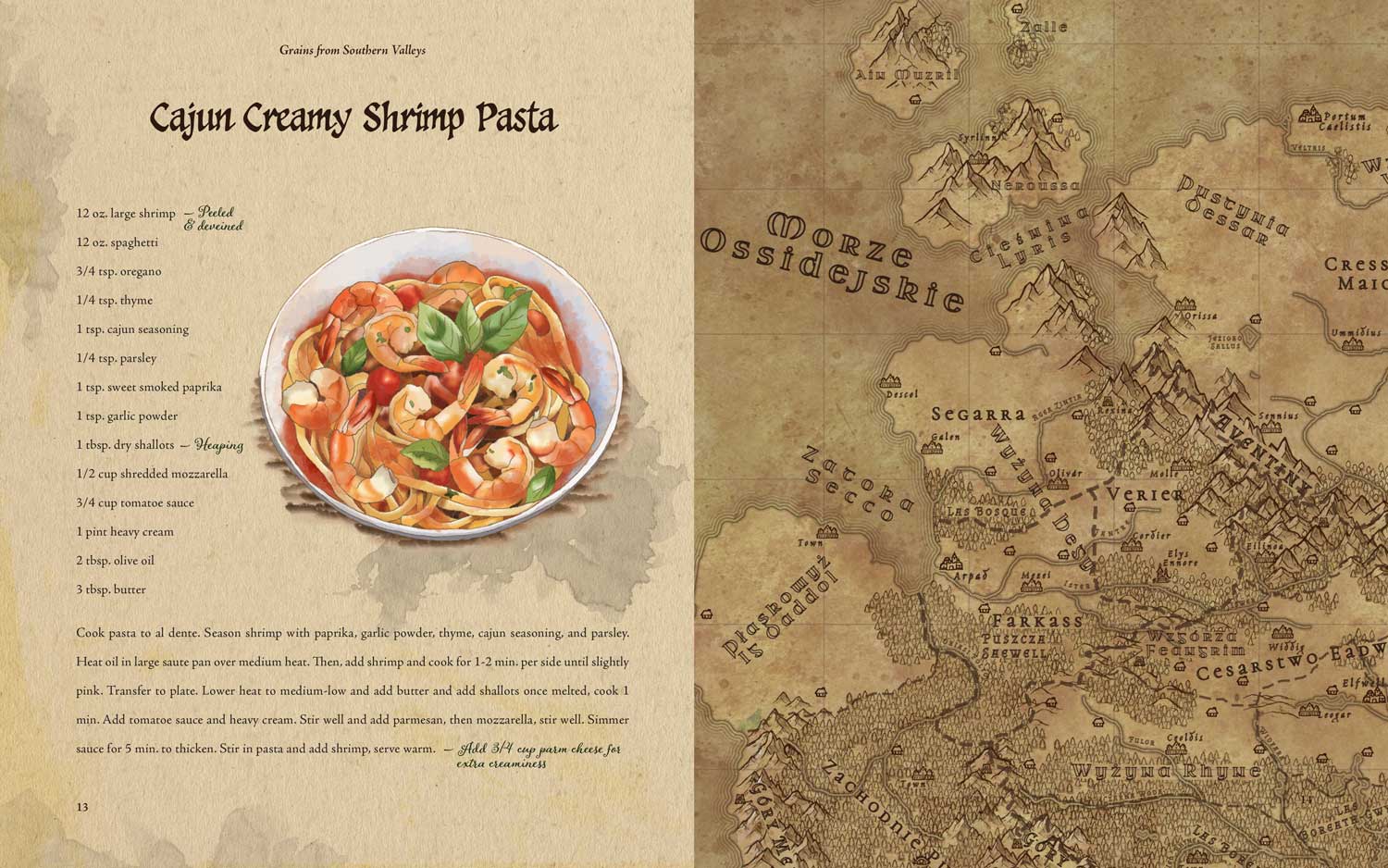
Sarah Hendrickson, George Mason University, Spring 2026